
Every new AutoPot grower asks the same handful of questions before they trust the system: is this going to drown my roots, what happens when a valve fails, and can I even use my normal nutrients in it? Basement Grow Show, a channel that’s been hand-watering for years, switched to AutoPots and filmed the setup, the failure points, and the answers. Here’s what his run actually shows, question by question.

Isn’t This Going to Overwater My Plants?
The setup looks backwards at first. Water sits in a tray underneath the plant instead of coming from above, and the instinct is that sitting water means drowned roots. It doesn’t work that way. The tray holds a shallow reservoir, the plant draws what it needs through the pot’s base, and the system tops off the tray as that water gets used. Nothing is force-feeding the plant on a schedule. The plant sets the pace, and the tray responds.
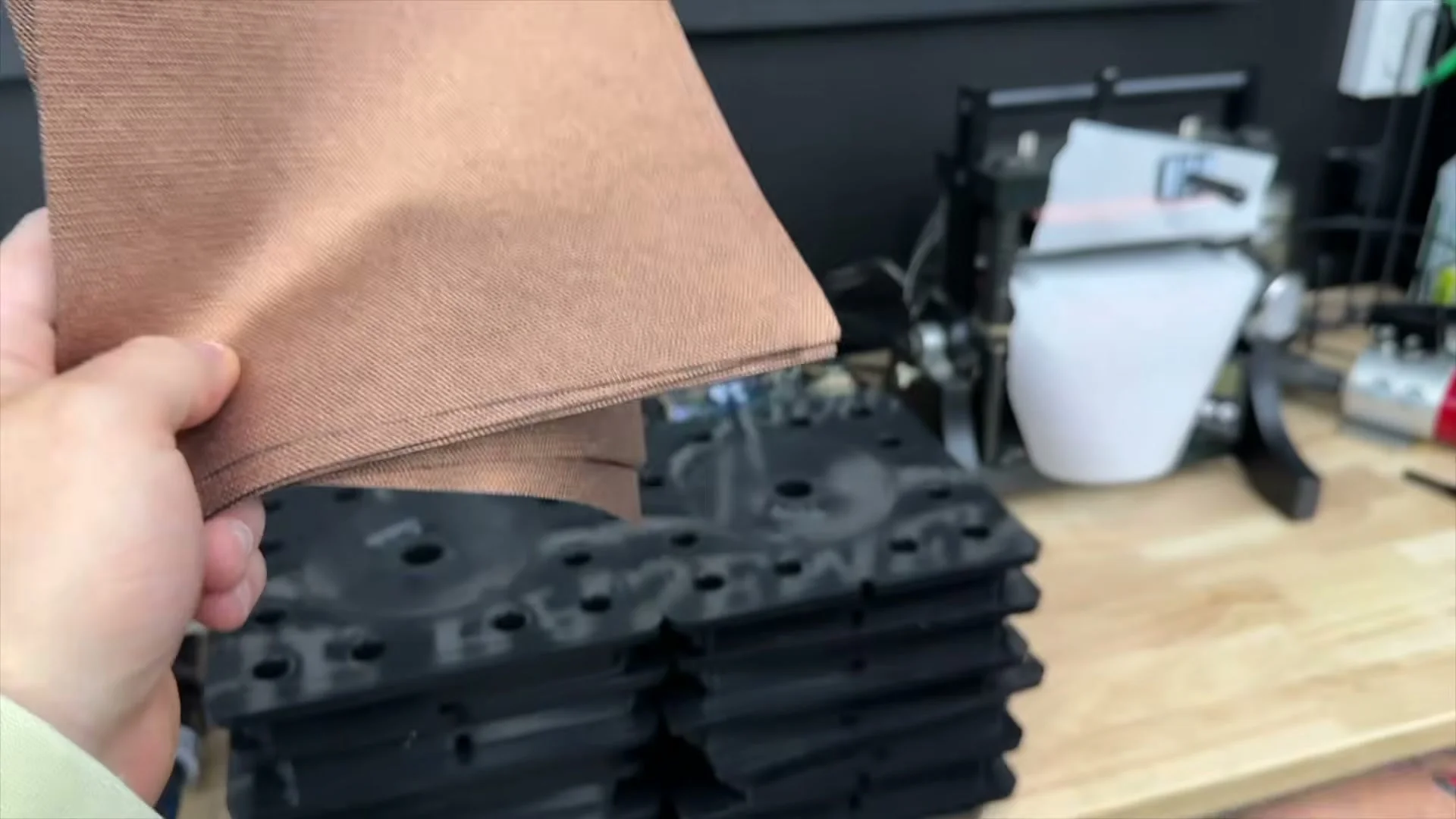
How Often Do You Fill the Reservoir?
This is usually the real reason someone looks at AutoPots in the first place: how much of your week does the system actually give back? In this setup, 18 plants pull from a single 100-gallon reservoir, and that reservoir gets filled about once a week. The exact interval depends on plant count, plant size, and room conditions, but the shape of the answer holds across most rooms this size: one reservoir fill replaces daily hand-watering entirely.
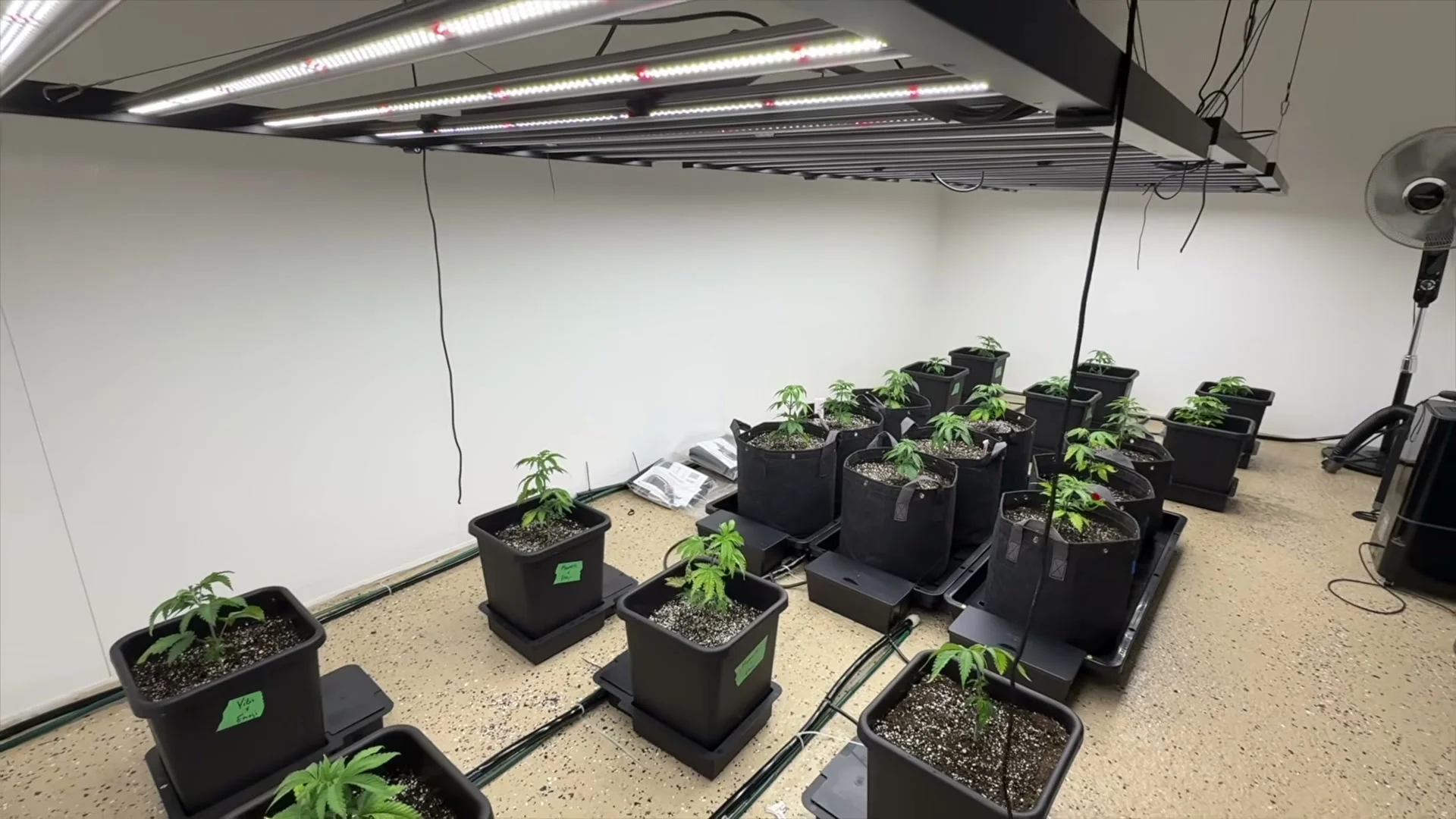
When Do You Turn the System On?
The most common new-grower mistake with AutoPots is turning the system on the moment a seedling goes into the pot. Don’t. Roots need to establish and reach down toward the tray first, hand-watered from the top like a normal pot. Only once that root system is developed near the bottom does the AutoPot valve start doing anything useful. Think of it as building the plumbing before turning on the water main. Skip that step and the system has nothing to feed into.
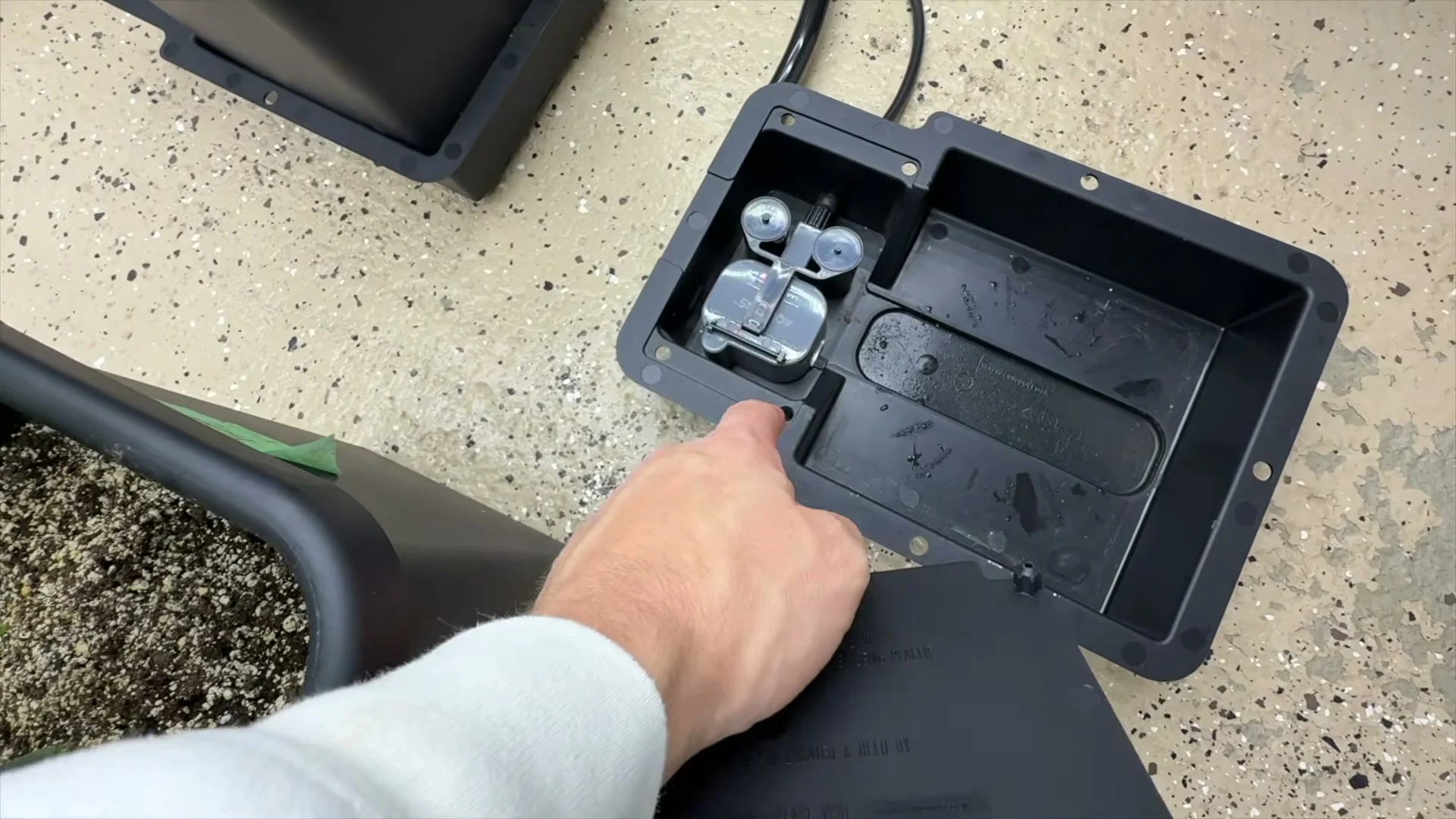
What Happens If the Valve Fails?
Every AutoPot valve has a small white bumper inside it, and it’s the single most common point of failure. Before turning any tray on, check every valve in the room and confirm that bumper is seated. Miss one, and that valve won’t regulate properly.
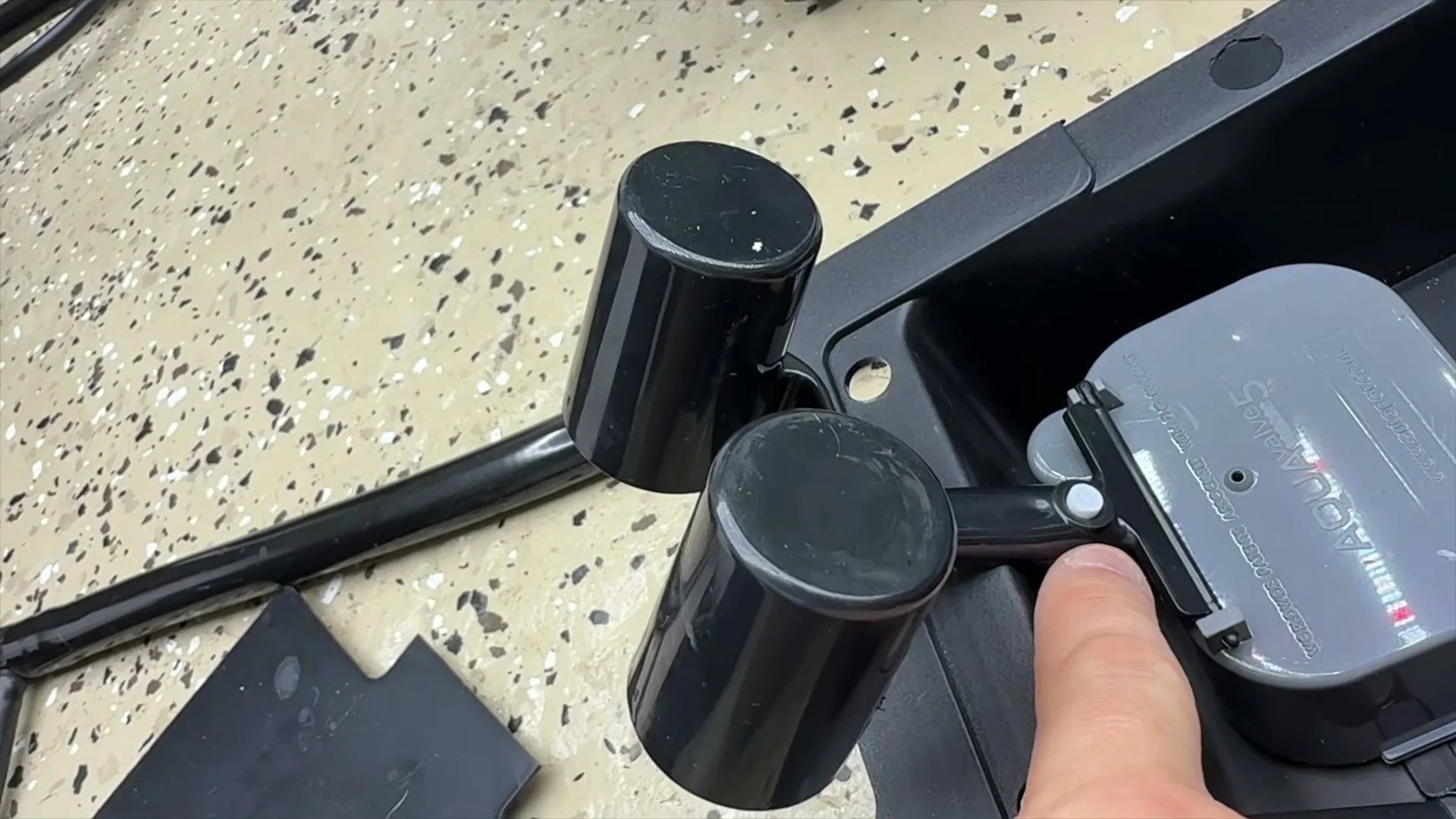
The failure mode to watch for: a bottom float pushed in too far, which causes the tray to overfill instead of regulating. That’s exactly what happened on this grower’s own live stream. The fix is simple but easy to skip if you’re rushing setup: check the top silicone seal, check the bottom float, and check it on every valve in the room, not just the ones that look wrong.
What Nutrients Can You Use in an AutoPot?
This is where the video gets interesting for Cronk growers specifically. Unprompted, the creator names his own setup: “Right now I’m using Cronk Grow Nutrients, two-part system, the Bonnie and Clyde.” In his own words, that’s the system he trusts because every drop running through an AutoPot’s narrow lines and valves matters to him, and he’d rather keep it simple than run anything thicker through the reservoir. That’s the Bonnie and Clyde two-part system, Bonnie during veg and Clyde through flower (the two are never mixed into the same feed at once), which is how he describes running it.
What Growing Medium Works Best?
AutoPots feed from the bottom, which changes how the root zone behaves compared to a normal top-watered pot. That’s why most AutoPot growers land on coco, perlite, or a soilless mix rather than a dense, moisture-retentive soil. This setup runs Pro-Mix HP. The exact ratio varies by grower, but the principle holds: look at what growers running your target medium are using in their own AutoPots, then match the ratio to your setup rather than guessing.
Is It Actually Worth It?
The honest answer from someone who hand-watered for years before switching: yes, for the time back. He’s not hands-off, he’s still training, still topping, still running a SCROG, but the daily watering chore is gone. That’s the actual pitch for AutoPots. It doesn’t grow the plant for you. It removes one repetitive job so you can spend that time on the parts of growing that actually improve the plant.

The Real Takeaway
AutoPots reward growers who respect the setup: seat every valve bumper, wait for roots before switching on the system, and treat the reservoir like the continuous feed it is rather than a bigger version of a hand-watered pot. Get those three things right and the system does exactly what it promises, which is give you your time back without asking you to guess at watering every day.
Watch the full breakdown from Basement Grow Show below, and if you’re setting up your own bottom-fed system, our AutoPot genetics guide covers valve setup and training in more depth.

What AutoPot Itself Says About the System
A few more questions come straight from AutoPot’s own FAQ page, not the video, worth knowing if you’re shopping for the hardware itself. Tap a question to expand it.
Does it need power?
No. AutoPot systems run entirely without power, pumps, or timers. The AQUAvalve feeds by gravity alone, indoors or outdoors.
How low-maintenance is it really?
AutoPot says a properly set up system can often go unattended for weeks at a time, since the AQUAvalve handles the on-demand refill without anyone checking on it.
Who is it actually built for?
Everyone from a single-pot home grower to commercial operations running thousands of pots. The hardware scales, the setup logic doesn't change.
Does it help with yield?
AutoPot claims meaningful yield increases and says the systems are used by commercial operations across the industry. That's their claim to stand behind, not a number we've verified ourselves.
Who designed it?
Jason Ralph Smith founded AutoPot with a team of hydroponic specialists, and the company says it built the system with professional growers in mind from the start.
Source: AutoPot USA’s FAQ page.