
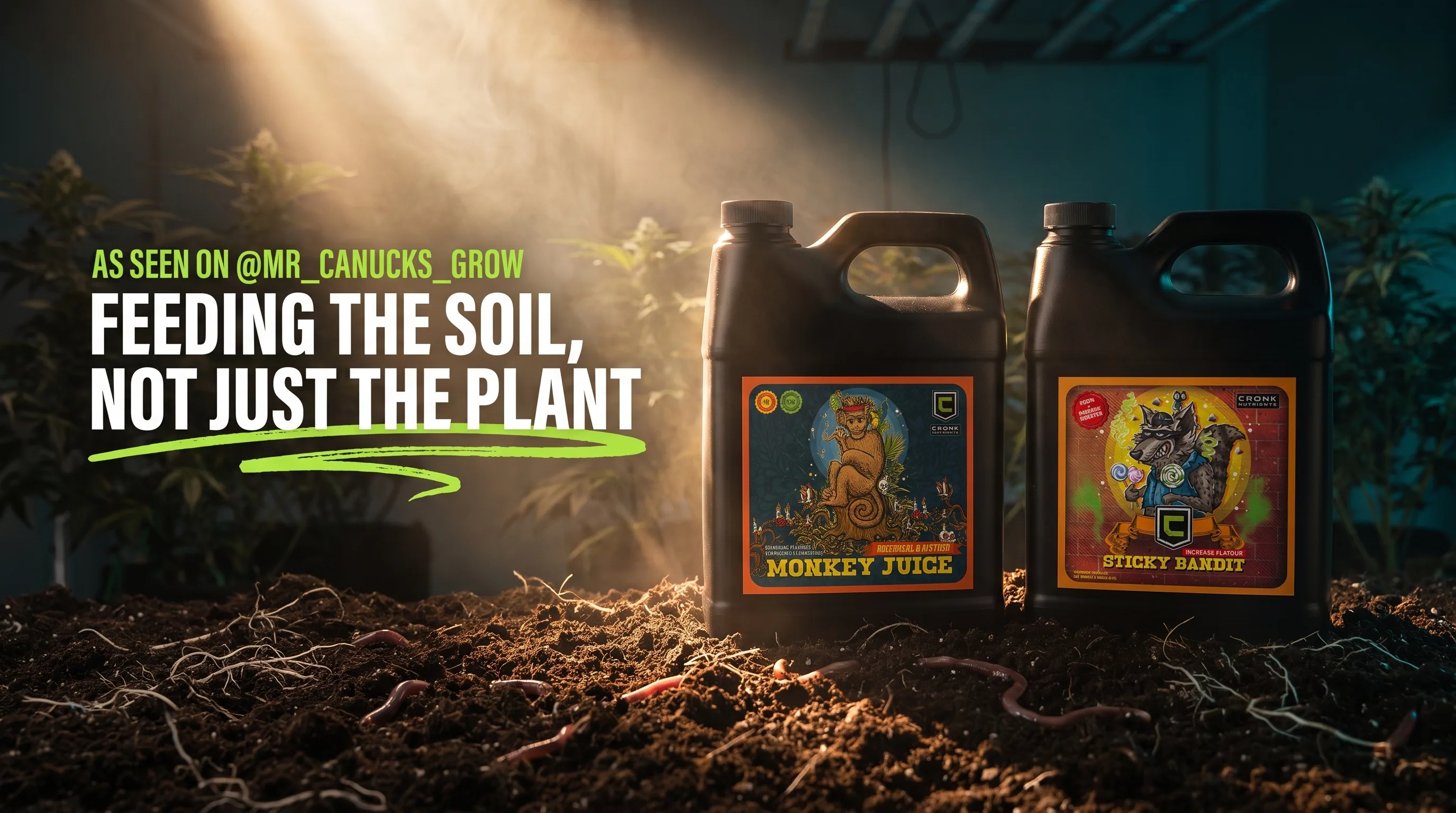
Three tents. Three finish dates within days of each other. And one Canadian grower feeding the soil, not the plant, right through to chop. In episode two of his 2026 multi-tent harvest series, Mr. Canucks Grow (Matt, unmonetized and fully organic) walks a 3x3, a 4x2, and a 5x5 through their final weeks of living soil flower. Around the 5:36 mark, he shows the one thing he's doing differently this run: adding Cronk Nutrients Monkey Juice and Sticky Bandit into his watering once a week as extra microbial support for the biology already living in his soil.
Who Is Mr. Canucks Grow?
Mr. Canucks Grow is a Canadian home grower running an educational, unmonetized YouTube channel built around organic living soil practices. His style leans on dry amendments and top dressing, similar to a Gaia Green approach, rather than bottled feed schedules. He grows for himself, documents everything, and leans on affiliate codes (not ad revenue) to keep the lights on.
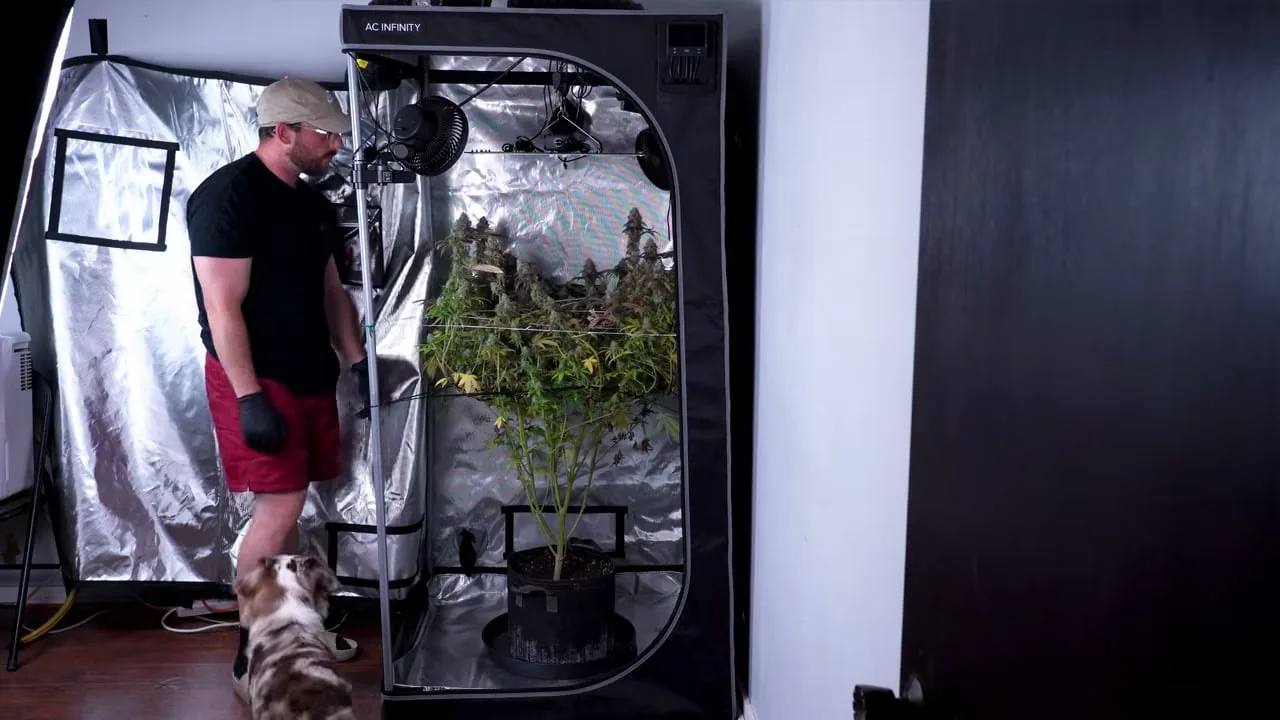
His latest video, "CAN I GROW ENOUGH TO SUPPLY MYSELF | 2026 MULTI-TENT HARVEST," picks up in the final weeks of flower across three separate setups and follows them all the way to hang-dry and cure.
The Grow: Three Tents, One Living Soil Philosophy
Matt's setup for this run:
| Tent | Light | Genetics | Reported Yield |
|---|---|---|---|
| 3x3 AC Infinity | 260W LED, no added CO2 | Apple Fritter x Bay Bridge | ~300g target |
| 4x2 | Spider Farmer, 200W pulled | Ocean Fruit (single pheno) | ~200g |
| 5x5 | Mixed strains | Ocean Fruit + Nana Glue phenos | Full canopy, not stated exactly |
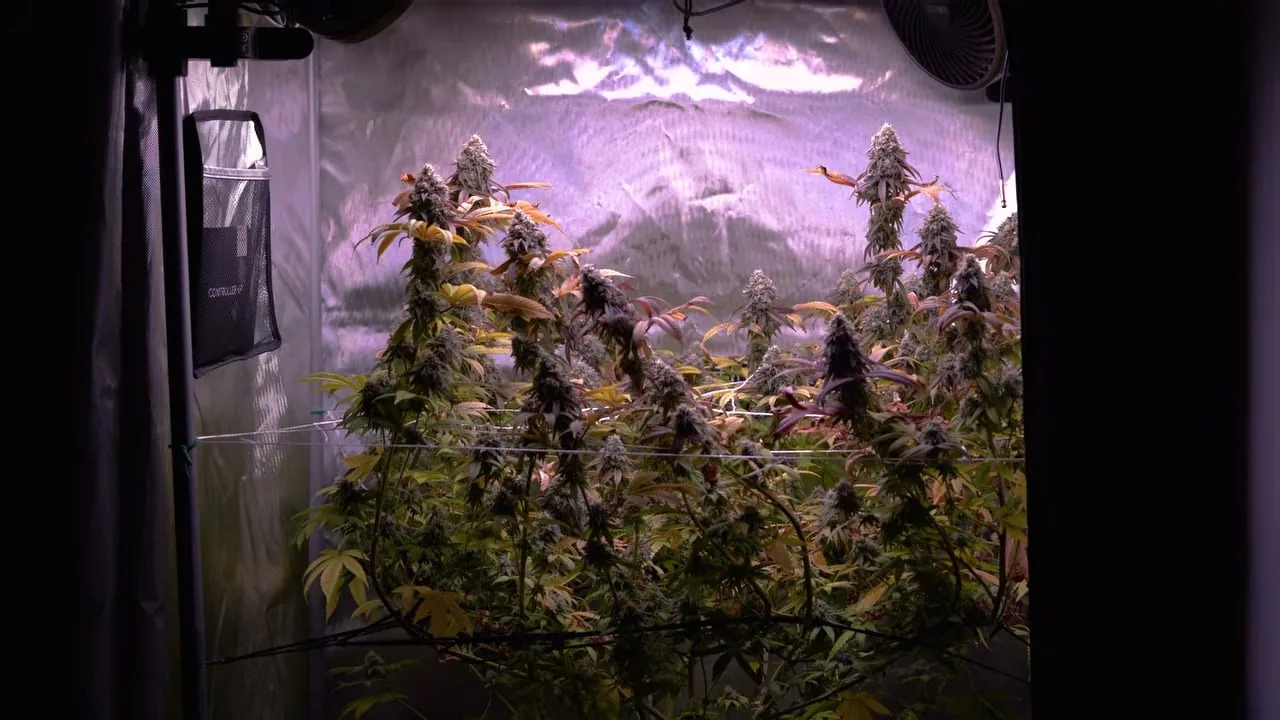
His last top dress on all three tents landed in the middle of week five. From there, it's not about adding more. It's about letting the amendments finish breaking down. As he puts it in the video, "I'm not feeding the plants, I'm feeding the soil." He doesn't flush. He just stops adding nutrients and lets the plant pull from what's already cycling through the microbial life in the pot.
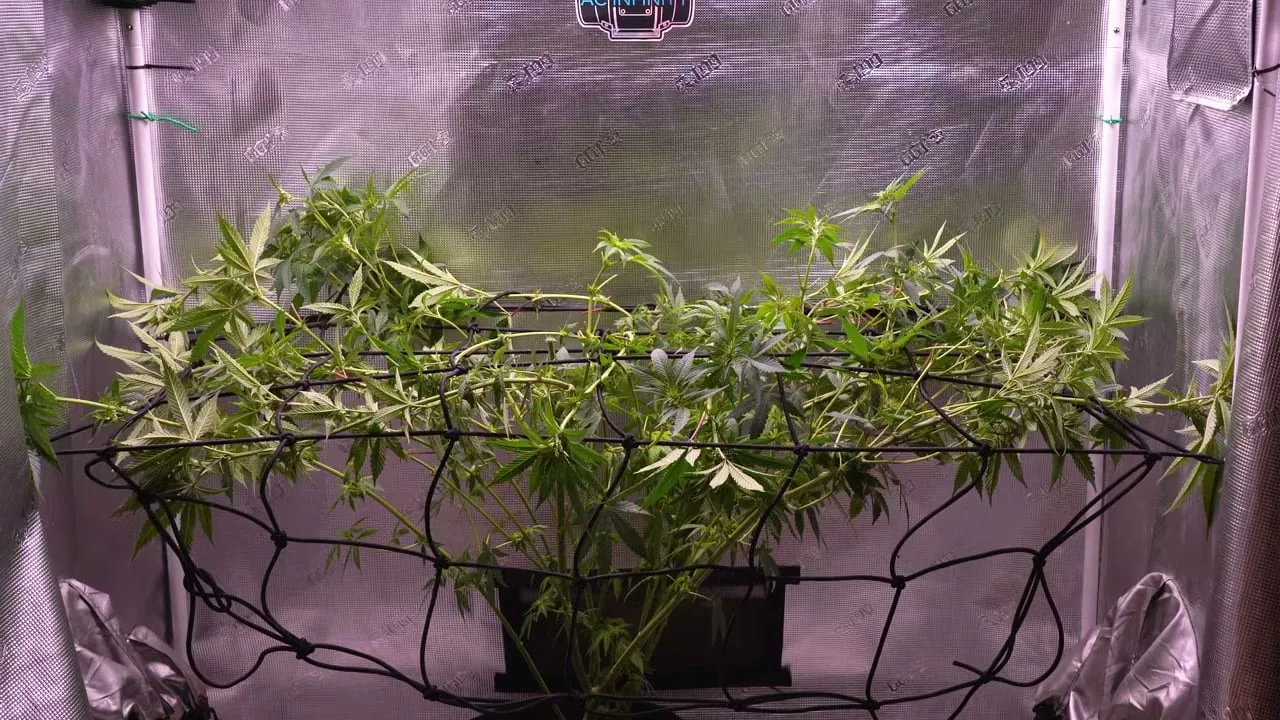
Where Monkey Juice and Sticky Bandit Fit In
This is the part that made us want to write it up. At 5:05, Matt says the microbes in his soil have been "hard at work," which is exactly why he's been trying something a little different this run. At 5:36, he names it directly: once a week, he's adding Monkey Juice and Sticky Bandit into his watering as microbial support.
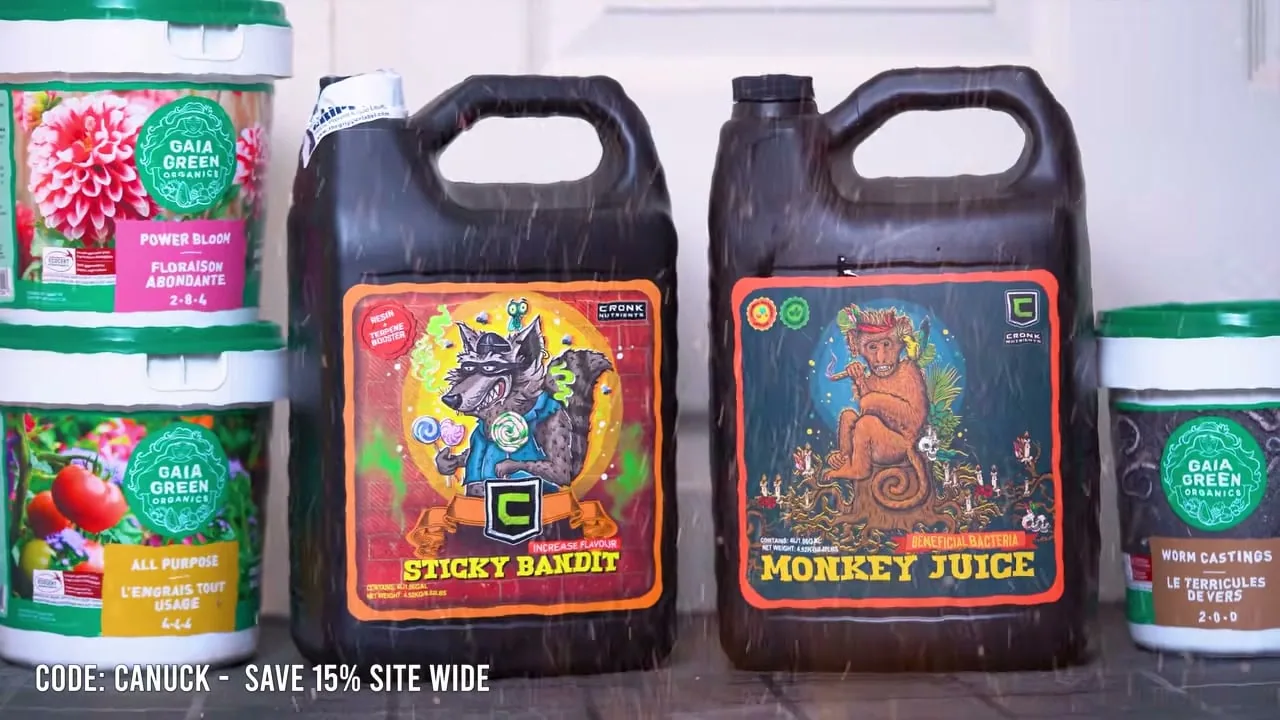
His framing is honest and it matches what we'd tell you ourselves. His soil already has biology doing the heavy lifting. He's not replacing that. He's topping it up. "There's already biology thriving in the soil doing a lot of the heavy lifting on its own," he says, "but adding extra beneficial microbes through Monkey Juice alongside carbs from Sticky Bandit to help feed and support that microbial life just feels like a natural fit for this style of gardening."
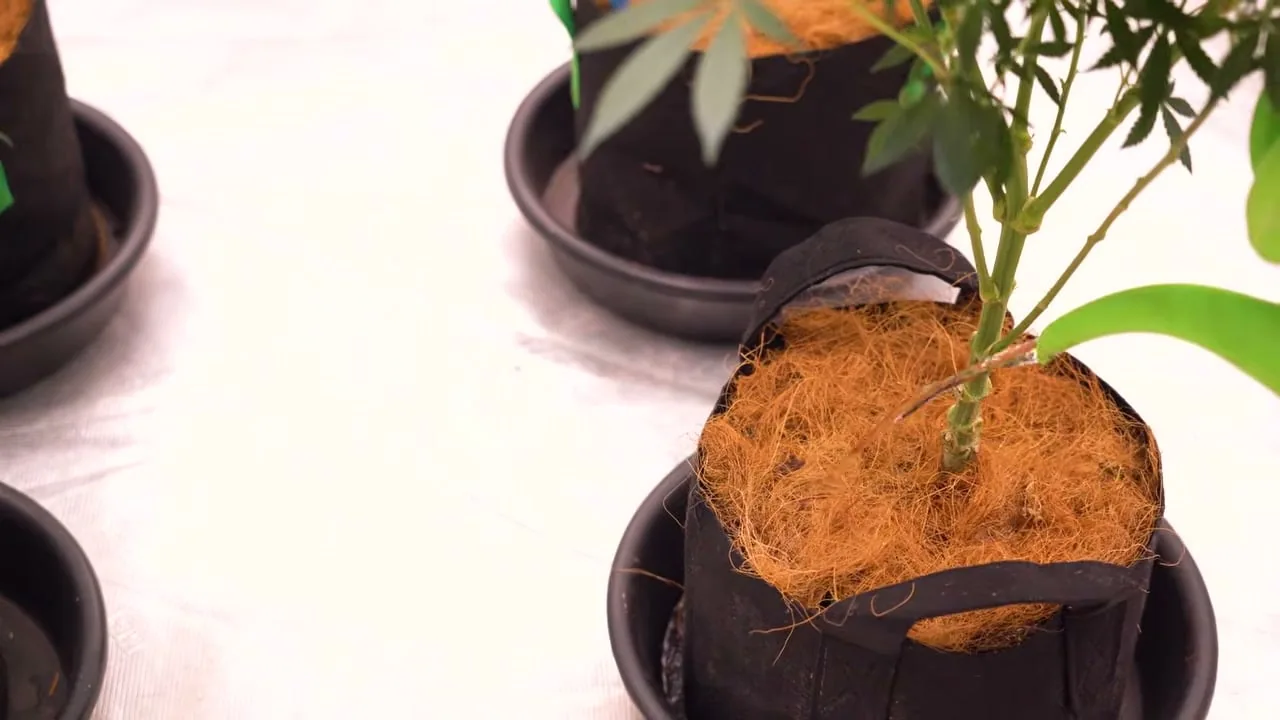
That's a fair way to put it, and it lines up with how we describe these two products internally. Neither one is designed to replace a living soil mix or a Gaia Green-style amendment program. They're designed to reinforce it.
What Each Product Actually Does
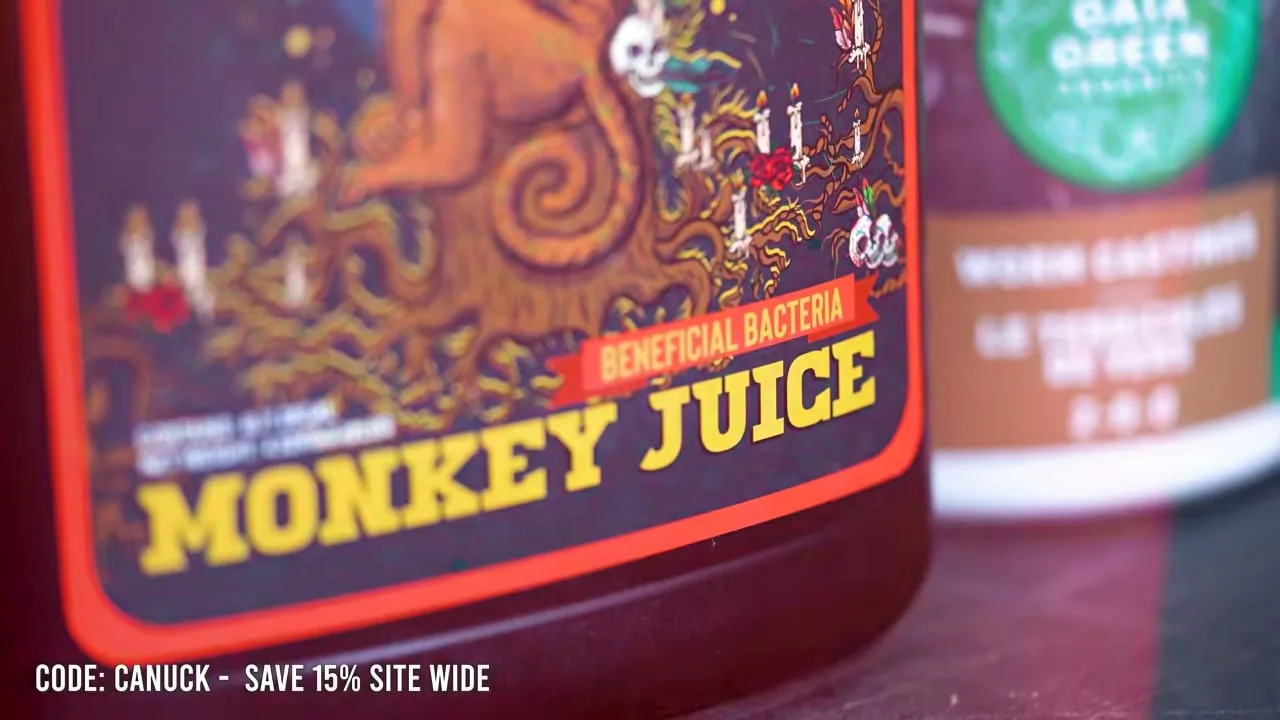 Monkey Juice, beneficial bacteria for the root zone. Watch at 5:45
| Product | Type | Contains | Role in Living Soil |
|---|---|---|---|
| Monkey Juice | Beneficial bacteria | Bacillus subtilis (1.2x10^10 CFU/g), Bacillus licheniformis (3.0x10^9 CFU/g) | Adds root-zone bacteria that support nutrient cycling and can help compete against pathogens like pythium and fusarium |
| Sticky Bandit | Carbohydrate additive (0-0-1) | Plant-derived carbohydrates, potassium sulfate | Feeds the microbial population, including the bacteria Monkey Juice introduces |
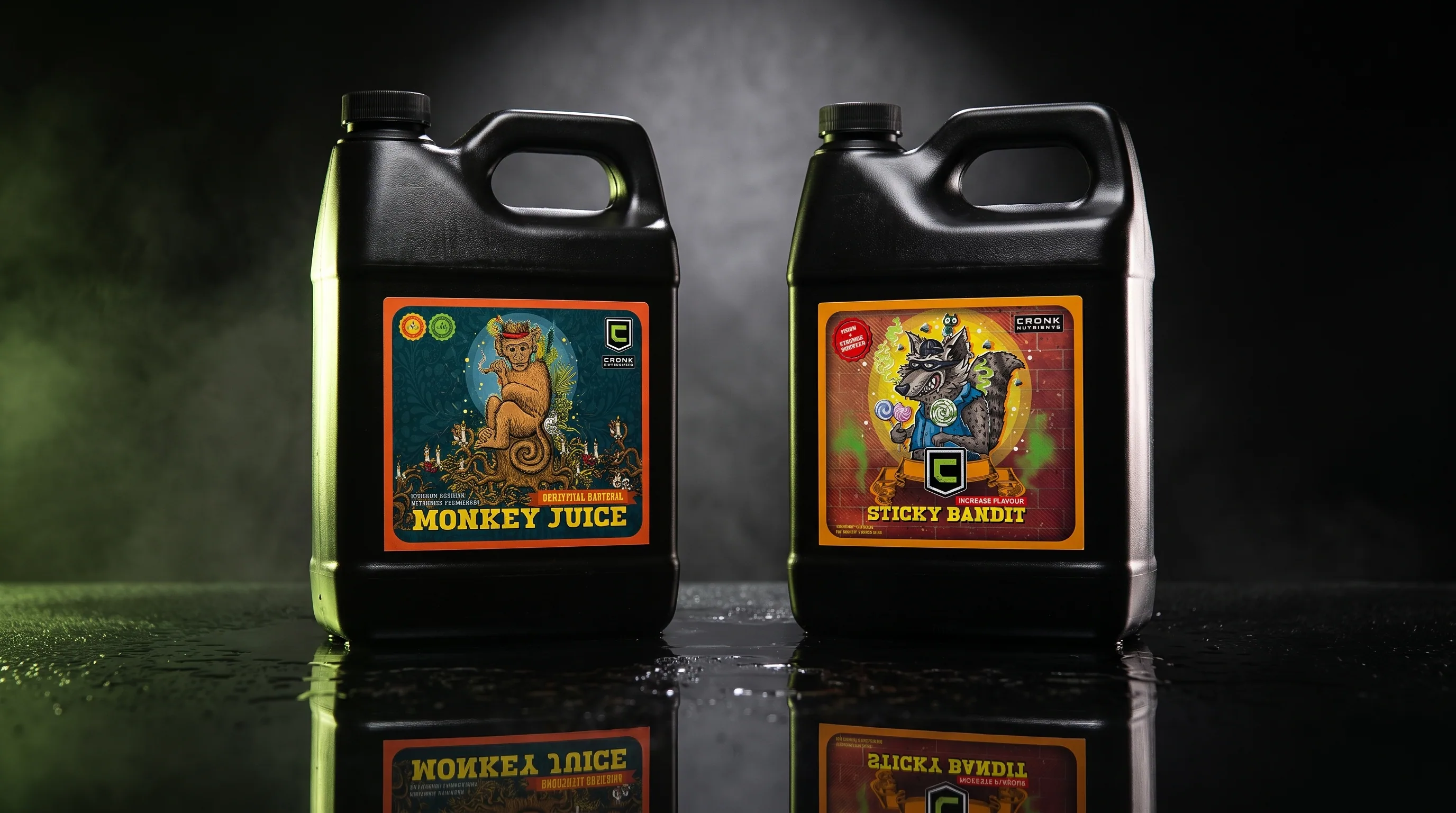
Monkey Juice is a bacterial inoculant, not a fertilizer. It doesn't carry an NPK number for that reason. Sticky Bandit carries a small K value (0-0-1) but its real job is supplying carbon and energy that soil microbes run on, the same way root exudates work in nature.
Our own additives guide actually says something worth repeating here: in a mature, healthy living soil, the benefit of adding more beneficial bacteria is lower than it would be in coco or a sterile hydro reservoir, since the soil already hosts a diverse population. That's not a knock on what Matt's doing. Think of it less as a fix and more as insurance. Weekly top-ups keep the population fed and active through the exact stretch of flower where the plant is living off reserves and the biology can't afford to slow down.
Getting the Order Right
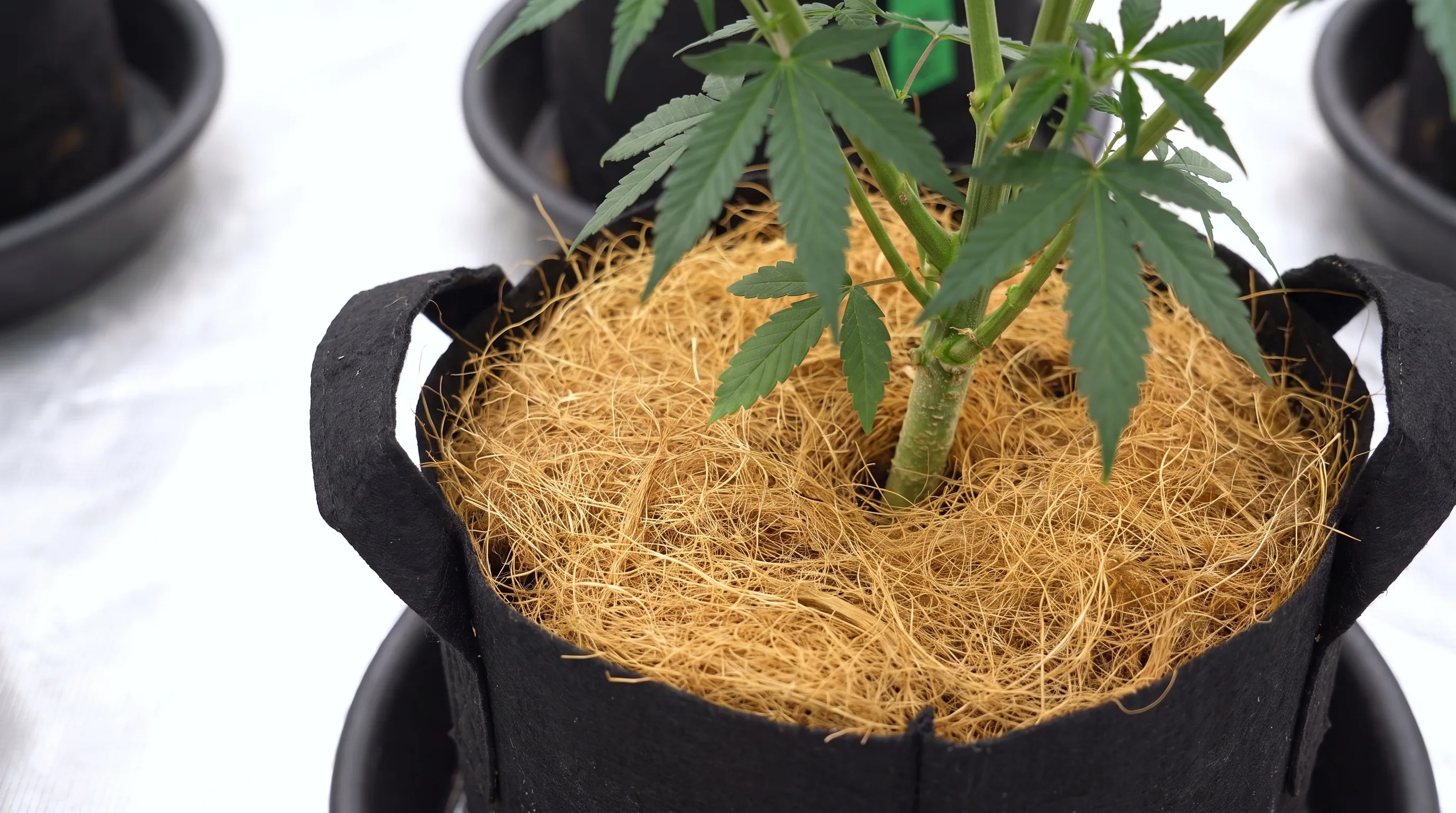
If you're going to run these two together, mixing order matters. Monkey Juice contains living bacteria, and those bacteria are sensitive to pH swings. The standard order is:
- Mix your base nutrients or amendments into the watering can first
- Add Sticky Bandit
- Adjust pH to your target range
- Add Monkey Juice last, after pH is dialed in
- Use the solution promptly, don't let it sit overnight
Skip a dechlorinator or let chlorinated tap water sit at least 24 hours before mixing. Chlorine kills the exact bacteria you're trying to add.
For dose, our standard soil/coco guideline runs Monkey Juice at 8 mL/gal once a week (starting lower, around 4 mL/gal, in week one), and Sticky Bandit at 4 to 6 mL/gal weekly when the two are run together since Sticky Bandit is effectively feeding what Monkey Juice just introduced. Matt didn't give exact ml/gal numbers on camera, so if you're following along, use those figures as your starting point and adjust to your own reservoir size.
Key Moments to Watch
- 3:25 Yield math for the 3x3: 260W, no CO2, roughly 300g when the canopy fills out properly. A useful benchmark if you're running a similar space.
- 4:04 "I'm not feeding the plants, I'm feeding the soil." The clearest one-line summary of his organic philosophy and why he doesn't flush.
- 5:05 to 5:36 The Monkey Juice and Sticky Bandit segment. Matt explains why weekly microbial support made sense for a living soil finish this late in flower.
- 6:10 Why the biology doesn't shut off just because feeding stops. Amendments keep cycling and the plant keeps deciding what it needs.
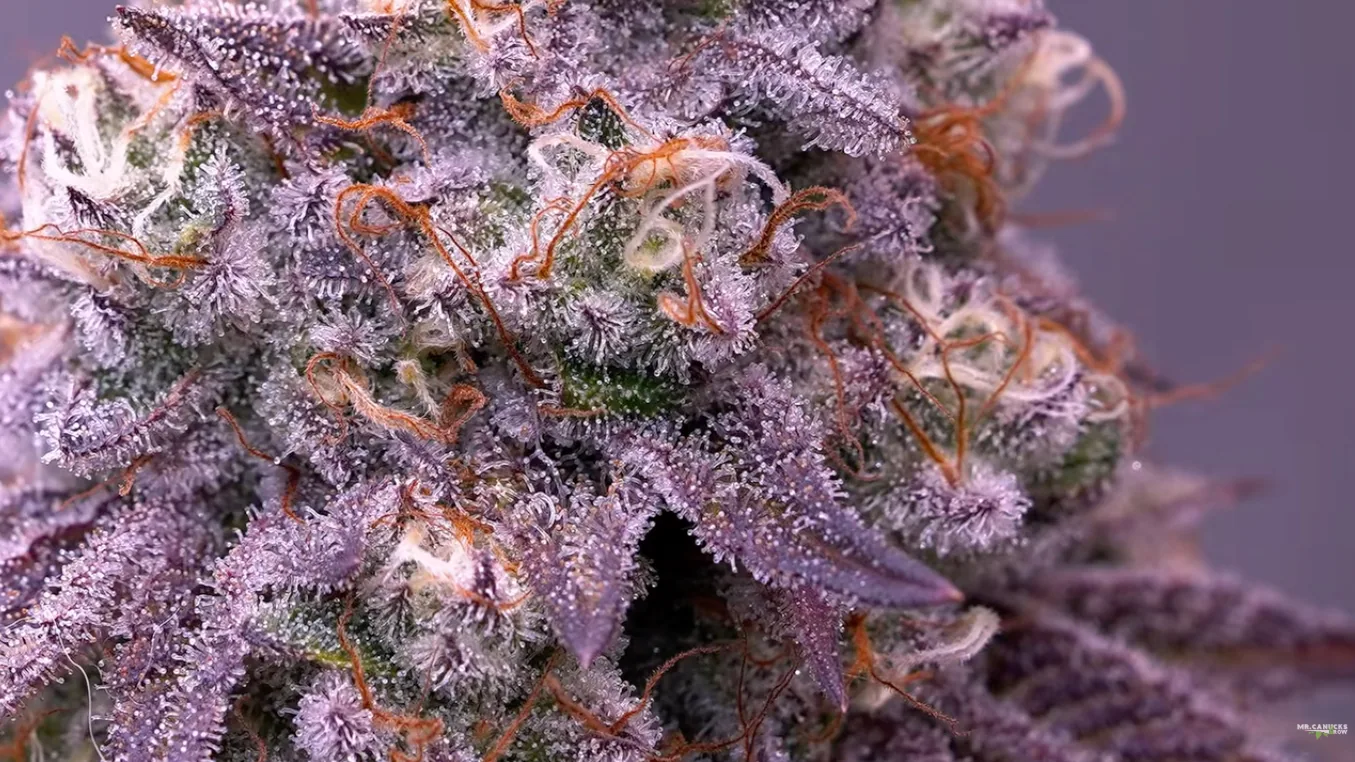
- 10:40 Frosty bud detail in the final stretch, the payoff of a healthy microbial finish.
- 17:04 His take on drying: too fast loses terpenes, too slow invites mold. Worth watching if you're dialing in your own dry room.
Common Mistakes to Avoid
- Adding Monkey Juice before pH adjustment. The bacteria are alive. A rough pH swing right after they go in can knock down the population before it does any good.
- Mixing with chlorinated tap water. Chlorine is designed to kill bacteria in water treatment. It doesn't know the difference between pathogens and the beneficials you just paid for.
- Combining biologicals with sterilizing agents. If you're running peroxide or a chlorine-based root treatment elsewhere in your program, pick one lane. Biological and sterile approaches work against each other.
- Assuming living soil never needs a top-up. A mature no-till bed has plenty of biology. A younger mix, or a plant that just went through transplant stress, benefits more from a boost. Read your soil's age and history, not just the label.
- Stopping every input at the same time as flushing. Matt's approach, stop feeding but let biology keep working, is the right instinct for organics. Cutting biological support and nutrients on the same day removes the exact thing that's supposed to carry the plant through finish.
Frequently Asked Questions
Do I need Monkey Juice if I already have a living soil mix?
Not strictly. A well-established living soil already carries a diverse microbial population. Monkey Juice works best as reinforcement, especially in younger soil, after transplant stress, or heading into the demanding final weeks of flower.
What's the actual difference between Monkey Juice and Sticky Bandit?
Monkey Juice adds beneficial bacteria (Bacillus subtilis and Bacillus licheniformis) to the root zone. Sticky Bandit adds carbohydrates that feed that bacterial population, along with the microbes already present in your soil. They're built to work together, not to replace each other.
Can I use these alongside Gaia Green or another dry amendment program?
Yes. Both products are additives, not a base feed, so they slot into any organic or living soil program without conflicting with your existing top dress or amendment schedule.
Does Sticky Bandit actually make buds taste sweeter?
No, and we'd rather say that plainly than oversell it. Plants don't transport root sugars up into flower in a way that sweetens the final product. What Sticky Bandit does is fuel plant metabolism and feed rhizosphere microbes, which supports overall plant and soil health.
Is weekly the right frequency for microbial support in late flower?
For most soil and coco setups, yes. Weekly dosing keeps the population fed without overloading the medium. In hydro or Autopot systems, the rate drops considerably since beneficials build up differently in a recirculating reservoir.
Key Takeaways
- Mr. Canucks Grow's 3x3 AC Infinity tent (260W, no CO2) is on track for roughly 300g, a solid benchmark for a small living soil setup.
- His organic philosophy, feed the soil not the plant, means his last top dress happens weeks before harvest and he never flushes.
- He adds Monkey Juice (beneficial bacteria) and Sticky Bandit (microbial carbohydrates) into his watering once a week as extra support for the biology already in his soil.
- Monkey Juice always goes in last, after pH adjustment, because the bacteria are pH-sensitive living organisms.
- These two products are reinforcement for an organic or living soil program, not a replacement for it.
Watch the Full Video
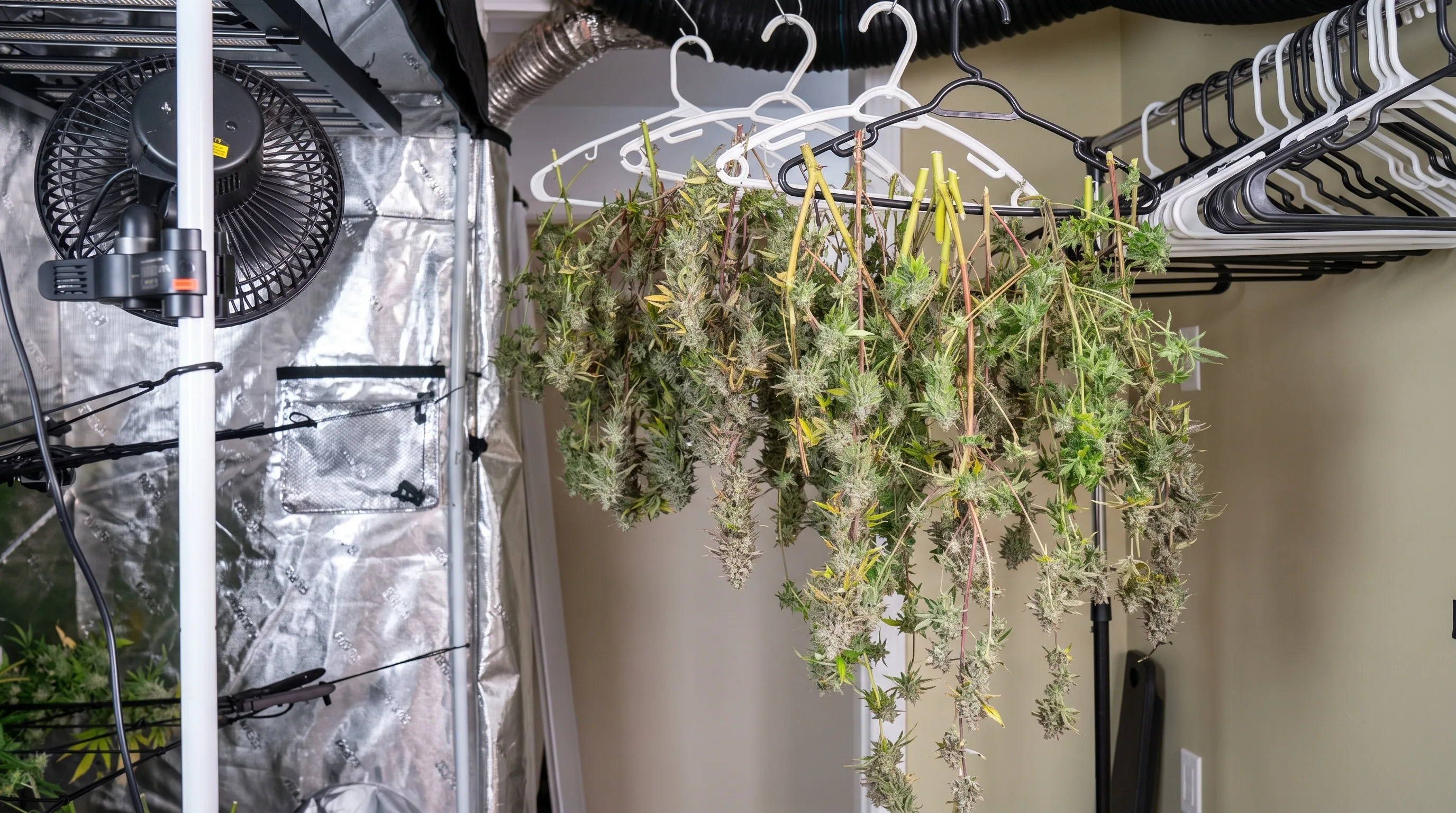
Mr. Canucks Grow's full multi-tent harvest breakdown, including the trichome check, the chop, and the dry room walkthrough, is up on his channel: CAN I GROW ENOUGH TO SUPPLY MYSELF | 2026 MULTI-TENT HARVEST. If you grow organic or living soil, his channel is worth a follow.
Want to try Monkey Juice and Sticky Bandit in your own living soil program? Both are part of our additives lineup at cronknutrients.com. Feed the soil and let the biology carry the plant through finish.