
HomeGrowTV's CO2 Room Harvest: MAC 10, Bloogatti, Mr. Stinky F2 & Kaleidozoap -- What Actually Happened at Day 55
Published March 30, 2026 • HomeGrowTV series recap • By Cronk Nutrients Grow Team

If you follow the HomeGrowTV channel, you already know Dakota doesn't put out fluff. When he says "solid update," he means it. This March 2026 episode delivered exactly that, a 41-minute deep dive into his CO2 room at day 55 of flower, featuring a live phenotype hunt with guest Mr. Q through four of the most talked-about strains to hit the scene in recent years.
The lineup: MAC 10 (Capulator), Bloogatti (Terp Hogz), Mr. Stinky F2 (Tiki Madman), and Kaleidozoap (Elev8 Seeds). These were genetics sourced at Spannabis the previous year, the kind of expensive beans you save for a run you really want to dial in. The entire CO2 room was run on the Cronk Nutrients Classic 5-bottle system, and by week 8, the results were hard to argue with.
This article breaks down what Dakota and Mr. Q actually found -- terpene profiles, phenotype standouts, harvest timing calls, and the growing decisions that shaped the run. If you're running any of these strains, or just trying to understand what CO2-assisted indoor growing looks like when everything comes together, this is the breakdown you need.
Day 55 Flower stage at review | 800-900 CO2 ppm (week 8) | 1.3 VPD | 62% Humidity | 4 strains Phenotype hunted | 5-bottle Cronk Classic system |
The CO2 Room Setup: What Was Running
Before getting into individual strains, it's worth understanding the environment these plants finished in. The CO2 room ran the Cronk Nutrients Classic Line -- Micro, Grow, Bloom, and CalMag -- from seed through late flower, with Bud Booster introduced once flowering began. By week 8, Dakota had tapered the program down significantly: only Micro and Bloom remained in the mix, with the other bottles completely dialed out.
CO2 levels had been brought down from peak enrichment to 800-900 ppm heading into the final weeks. This is a standard practice: CO2 enrichment is most beneficial during peak photosynthesis, and tapering it at the end alongside nutrients helps the plant enter its natural senescence and fade cleanly.
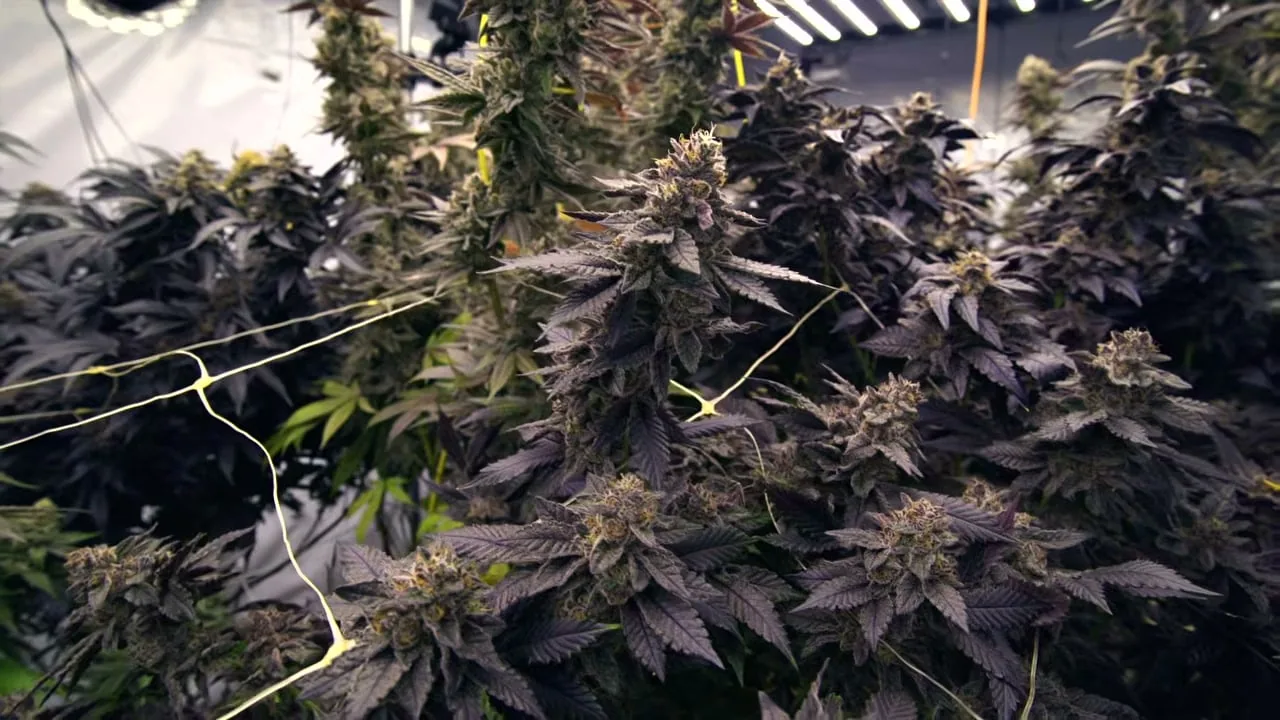
The canopy was grown under a SCROG (screen of green), which created the side-by-side phenotype comparison that Dakota and Mr. Q were able to do -- plants from each strain filling out their own sections of the net, easy to evaluate one against another.

The Strains: What Dakota and Mr. Q Actually Found
Bloogatti (Terp Hogz) - The Clear Favorite
Bloogatti by Terp Hogz
Lineage: Bubblegum Gelato x Blueberry Z
Harvest readiness at day 55: Ready now -- Bloogatti was the first pick
Terpene notes:
Bubblegum Blueberry Oily / greasy texture American dispensary Very loudBest pheno: Bloogatti #5 dense golf ball nugs, thin stem carrying serious weight, heavily purple
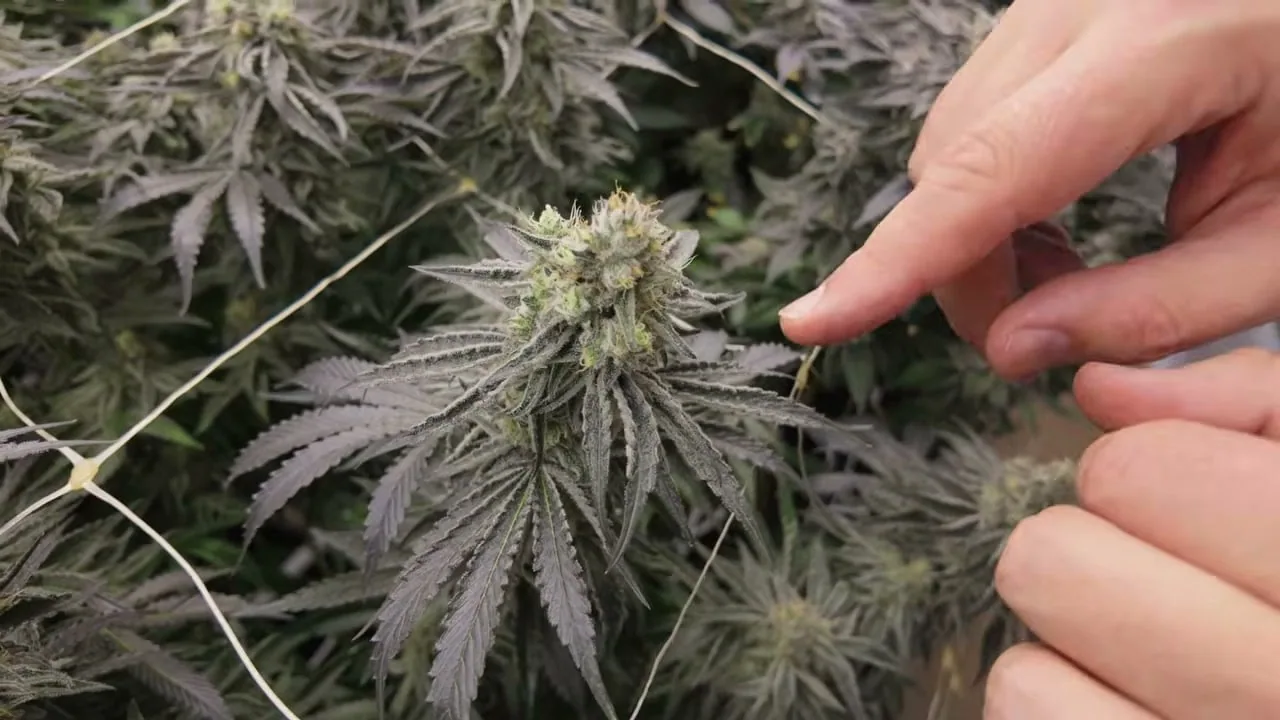
Bloogatti came out of this run as the undisputed winner on terpenes and ease of cultivation. The Bubblegum Gelato x Blueberry Z cross (one of the more expensive beans picked up at Spannabis) produced multiple purple phenotypes that were drawing comparisons to the kind of dispensary flower that stops you mid-conversation.
Mr. Q, who had previously grown this strain himself, noted that the #5 phenotype was running even more purple in Dakota's environment than in his own. Environment plays a role -- cooler nighttime temps during late flower tend to bring out anthocyanins more aggressively, and the CO2 room conditions here clearly worked in its favor.
The texture difference between Bloogatti and MAC 10 came up repeatedly: Bloogatti was described as producing an instant oily, greasy feel on the fingers -- a sign of abundant terpene output -- while MAC 10 leaned more toward a dry "sandpaper grip" style. Neither is better in absolute terms; they're different terpene expression profiles. But for sheer loudness and immediate impact, Bloogatti was setting the bar for this room.
Structure-wise, the golf ball nugs and the stem-to-flower ratio were standouts. A thin stem carrying substantial weight is exactly what commercial growers want to see: it means the plant allocated its energy to flower production rather than structural wood. Bloogatti #5 delivered on both terpene density and harvest weight -- and at day 55, it was ready to come down immediately.
MAC 10 -- 10th Anniversary (Capulator) -- Premium Finisher Needs More Time
MAC 10 -- 10th Anniversary by Capulator
Lineage: MAC (Miracle Alien Cookies) anniversary release
Harvest readiness at day 55: Needs 10+ more days, possibly 2 weeks
Terpene notes:
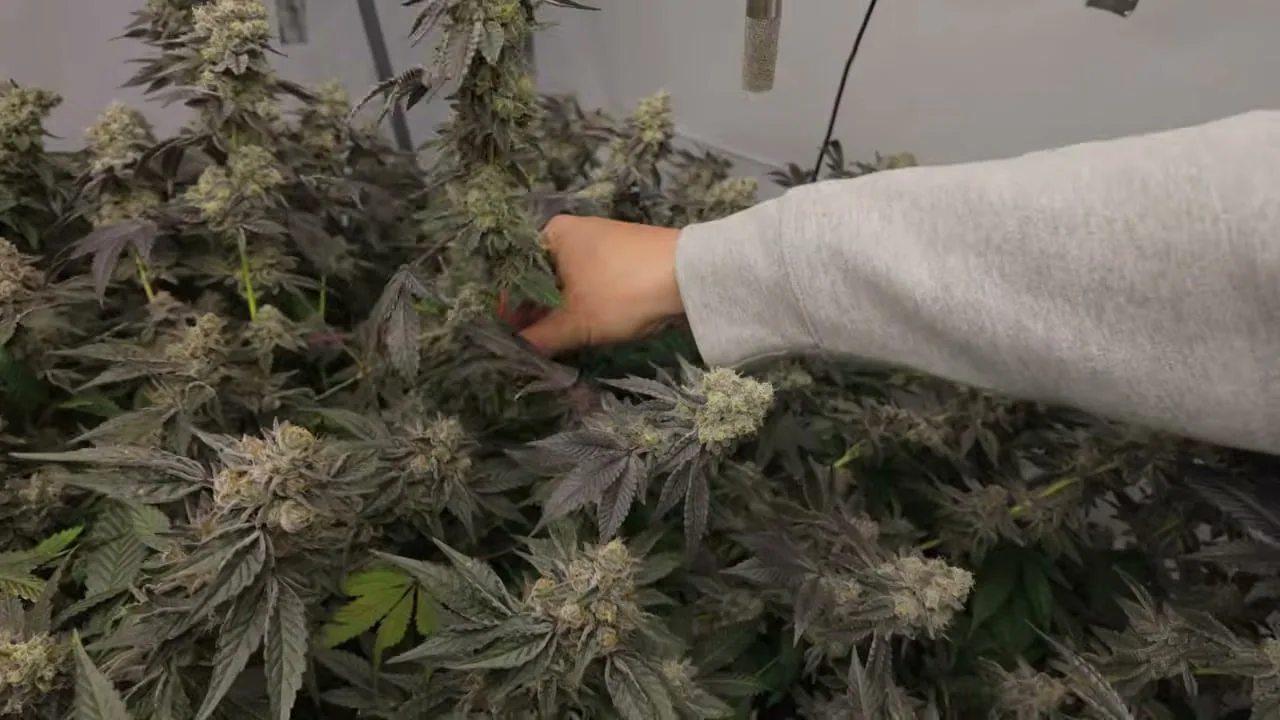
Cookies / premium Creamy Sandpaper grip Trichs on fingers Greener phenosBest pheno so far: MAC 10 -- #10 pheno noted as premium, cookie-leaning
MAC 10 is one of the most anticipated genetics in the modern cannabis collector world, and Capulator's 10th anniversary drop carries that weight. Dakota had been wanting to run this strain for years before this episode.
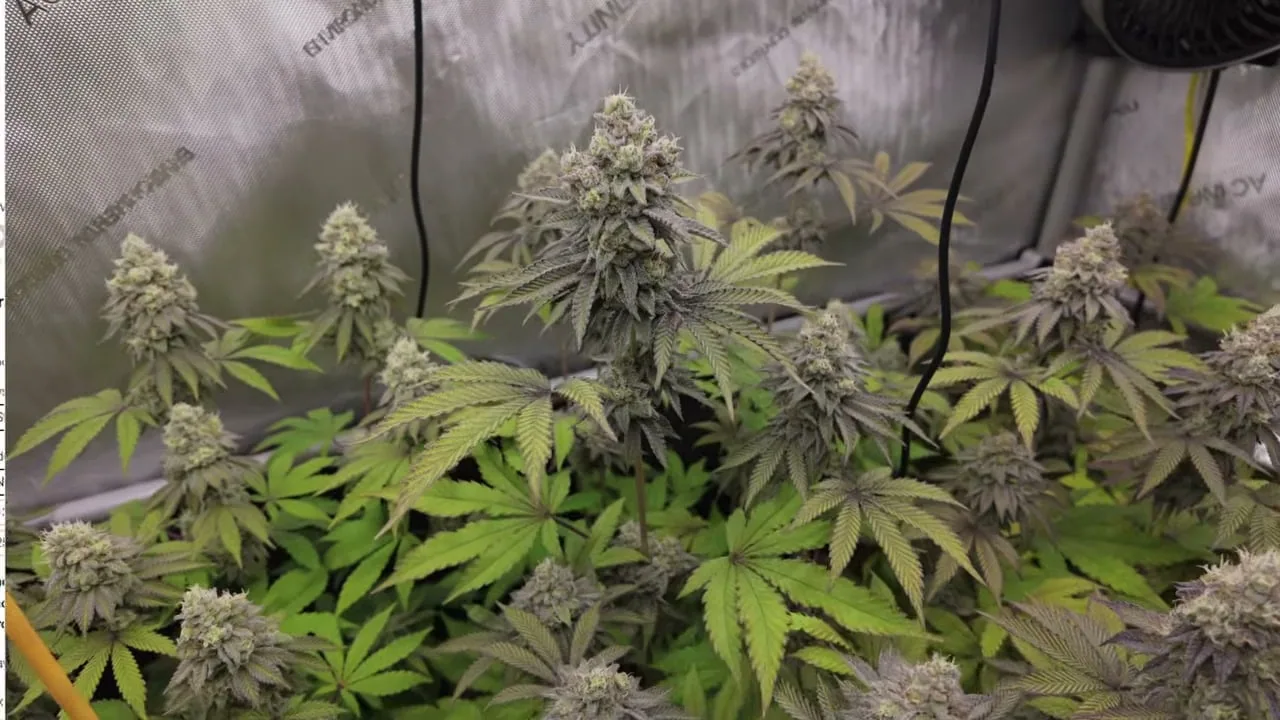
At day 55, the MAC 10 phenotypes were clearly behind the Bloogatti. The structure was visually distinct -- pointy, narrow "10-finger" leaves, a greener overall look compared to the purple Bloogatti phenos sitting next to them, and that classic MAC frost density. But Mr. Q's call was that the Bloogatti could wait; the MAC needed at least another 10 days, with some phenos possibly going another 2 weeks.
The terpene character at day 55 was already pointing toward premium territory. The #10 pheno drew specific praise from Mr. Q: creamy, cookies-leaning, with trichomes that stick rather than just coat -- a distinct texture compared to the oily Bloogatti. This "sandpaper" quality is often associated with higher myrcene/limonene ratios and a more resinous rather than terpene-saturated expression. Different, and potentially just as compelling depending on the smoker.
One takeaway for growers running MAC varieties: patience is non-negotiable. Rushing MAC strains at day 55-58 because the neighbor plant is ready is a common mistake. The flower quality improvement from day 55 to day 65-70 on a proper MAC is dramatic. This run was going to let those phenos fully ripen.
Mr. Stinky F2 (Tiki Madman) -- Tricky but Interesting
Mr. Stinky F2 by Tiki Madman
Lineage: Lemon Cherry Sherbet x Permanent Marker (F2 selection)
Harvest readiness at day 55: Slightly ahead of MAC 10, but behind Bloogatti
Terpene notes:
Lemon cherry sherbet Permanent marker / Sharpie Strong terps Want to roll it up immediatelyNotes: Heavier feeder, more deficiencies in early flower, leafier structure, less yield than Bloogatti
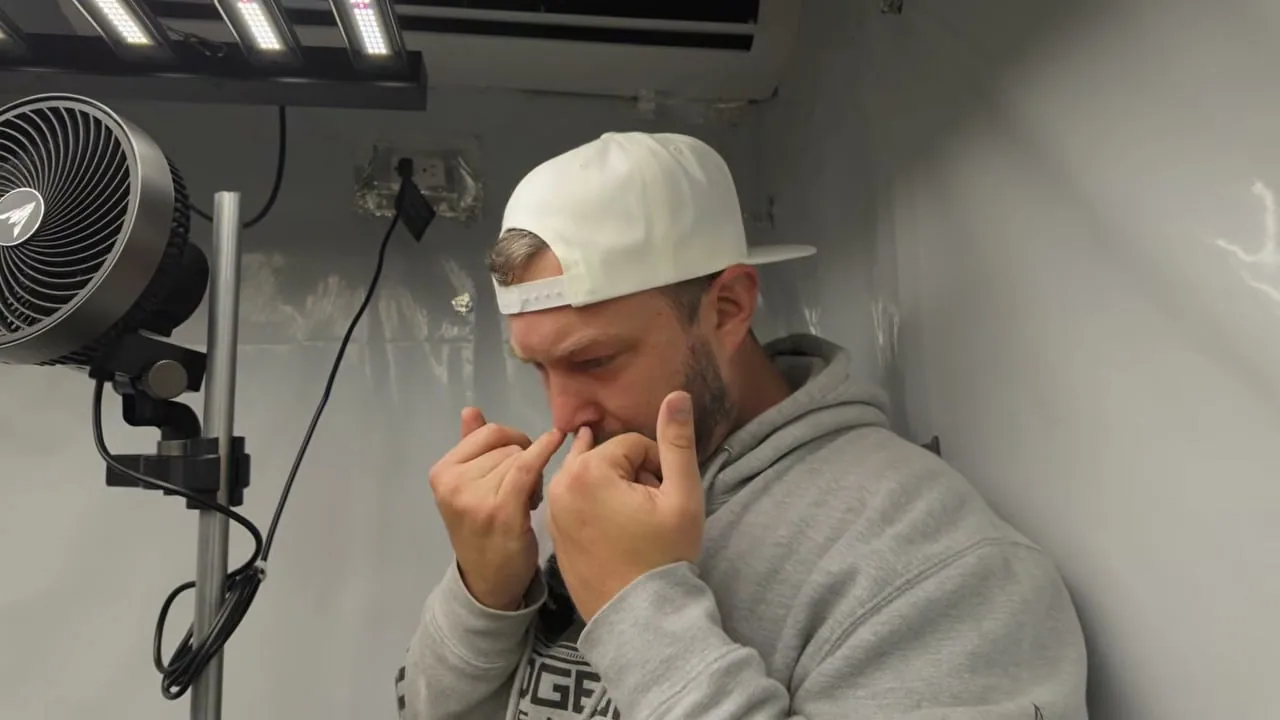
Mr. Stinky F2 might have the most polarizing name in the lineup, but the terpene profile had both Dakota and Mr. Q reaching in for repeated sniffs. The Lemon Cherry Sherbet x Permanent Marker lineage showed up in a couple of distinct expressions -- a permanent marker / Sharpie-forward phenotype (#4) and a more sherbet-leaning version.
The honest assessment from Mr. Q was that Mr. Stinky F2 brought strong terpenes to the table, but it was being compared to Bloogatti -- which set an unfairly high bar. Placed next to average genetics from any other seed bank, the Stinky would hold its own easily. But the leafier structure, lower density, and the fact that dried weight would likely be lighter than expected put it third in this lineup.
The cultivation challenge with Mr. Stinky was also worth noting. Dakota flagged it as the one strain that required extra attention during this run -- more deficiencies in early flower, a heavier-feeder profile, and a more "sporadic and weird grow style" compared to the straightforward Bloogatti. The same Cronk Classic system fed all four strains, but not all strains respond the same way at the same dose rates. Heavy feeders sometimes need a customized bump to their Micro allocation, especially if they show early signs of nitrogen demand.
Kaleidozoap (Elev8 Seeds) -- The Big Producer
Kaleidozoap by Elev8 Seeds
Lineage: RS11 x Zoap
Harvest readiness at day 55: Ready soon, fast-flowering phenos available now
Terpene notes:
RS11 / oily Fresh Louder than Bloogatti on quantity Fermented fruit (unusual pheno) Gelato fuelBest phenos: #6 (biggest stacker), #4 (shorter, denser, frostier), with a fast-flowering #2 that has unique fermented fruit terps
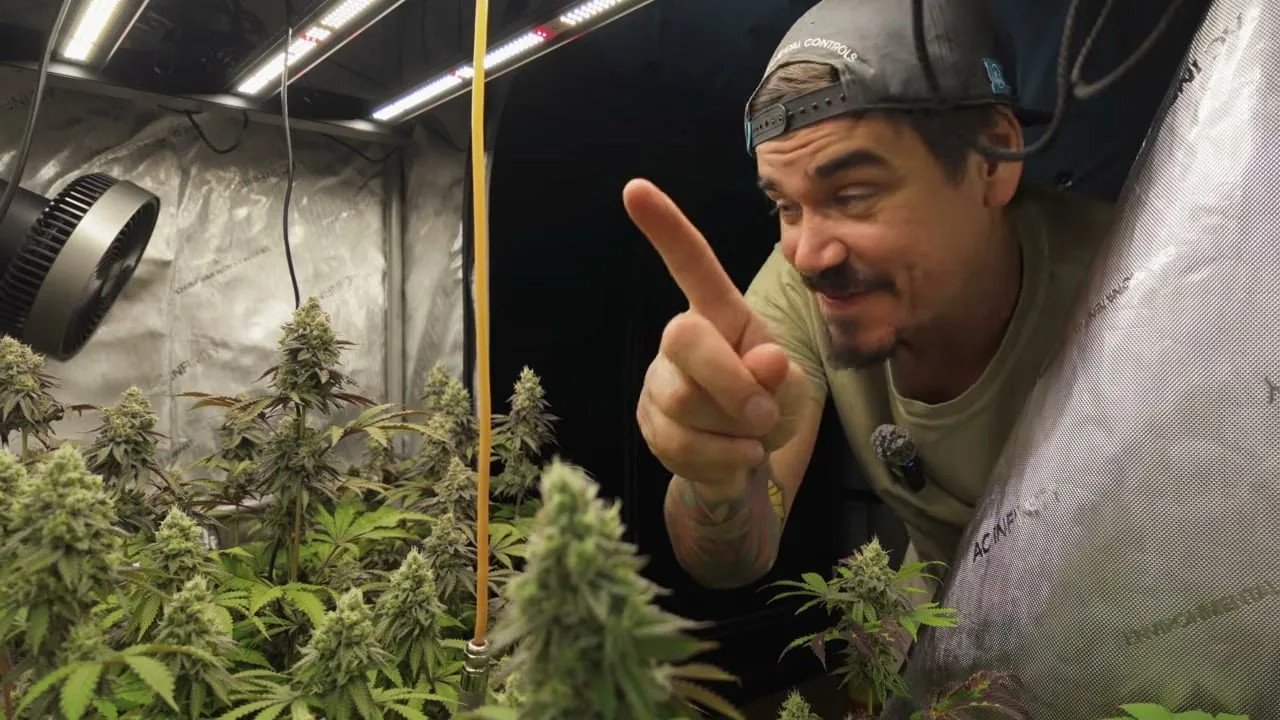
Kaleidozoap was the production revelation of this run. The RS11 x Zoap cross (Elev8 Seeds) took up the whole second half of the CO2 room and delivered what might be the most commercially exciting result on yield alone. The plants that barely reached the SCROG net at flip time had doubled in size by day 55 and were producing towers of stacked colas that had both Dakota and Mr. Q genuinely losing their composure on camera.
Phenotype #6 was the standout for production and terpenes. Mr. Q flagged the key commercial consideration immediately: sometimes a plant that stacks like this has all the aesthetics and none of the smell. He dug in expecting disappointment and got the opposite -- very oily, a higher density of the same RS11-adjacent terpene profile compared to the Bloogatti, but significantly louder. If those terps hold through cure, pheno #6 is a potential keeper candidate.
Pheno #4 came up as a close second -- shorter, denser, frostier, with the branch thickness and structural integrity that commercial growers need when running SCROG. And there was a fast-flowering outlier phenotype with a truly unique fermented fruit / sweaty funk quality that read as off-putting at first and compelling after a second pass. These discovery moments are why phenotype hunting at scale is valuable.
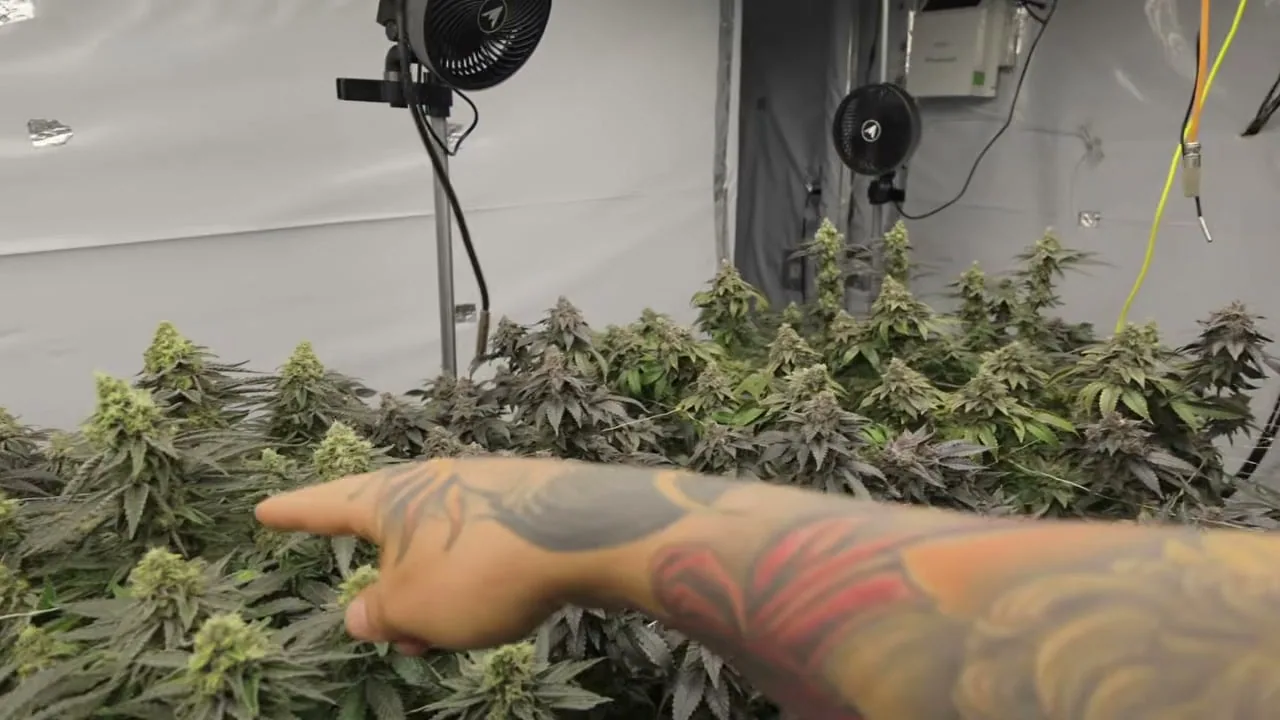
One particular detail from the tour deserves mention: Dakota pointed out trichomes on the underside of leaves and all the way down the main stem on some Kaleidozoap plants. Trichomes forming on the main stalk -- what the guys called a "sugar-coated stem" -- is a visual signal of exceptional resin production, typically associated with genetics that express well in rosin extraction or live resin runs. If Kaleidozoap #6 or #4 goes the way this phenotype hunt suggests, extractors will want it.
Running a Phenotype Hunt? Your Nutrients Need to Keep Up.
When you're comparing multiple phenos at once, a clean, consistent nutrient program is essential. You need to isolate genetic variables -- not nutrient inconsistencies. The Cronk Classic 5-bottle system gave Dakota a single baseline across his entire CO2 room.
Shop the Classic LineWhat Cronk Nutrients Actually Looked Like in This Room
Dakota mentioned Cronk nutrients by name multiple times across the episode. But what's more useful than a name-drop is what he actually described doing with it, because it gives you a real-world picture of how the Classic Line performs late in a CO2-assisted run.
The Week 8 Taper
By the time Dakota and Mr. Q walked the CO2 room at day 55, the 5-bottle system had been cut down to just two products: Micro and Bloom. Grow, CalMag, and Bud Booster had all been dropped in the preceding two weeks as the plants entered their final ripening phase.
| Week | Micro | Grow | Bloom | CalMag | Bud Booster |
|---|---|---|---|---|---|
| Week 6 (peak) | ✓ Full dose | ✓ Reduced | ✓ Full dose | ✓ Maintenance | ✓ Active |
| Week 7 (taper begins) | ✓ Reduced | -- Dropped | ✓ Full dose | -- Dropping out | -- Dropping out |
| Week 8 (Dakota's day 55) | ✓ Micro only | -- Dropped | ✓ Bloom only | -- Dropped | -- Dropped |
This kind of late-flower taper strategy is well-supported. Dropping nitrogen first makes sense -- you want leaves to fade naturally rather than stay dark green through flush. Calcium stays in because it's an immobile nutrient that supports cellular integrity through the final swell. Bloom stays active because potassium and phosphorus continue to drive flower development right up to the end.
The AutoPot Runs: A Different Story
The episode also covered two AC Infinity tent setups running AutoPot systems -- a 2x4 with Mellows (Compound Genetics' Spritzer x Grape Gas cross) and a 4x8 with Blood Moon Gelato and Peyote Skittles (Seedsman). Both ran the same Cronk Classic 5-bottle system, but with a notable modification for the bottom-feed method.
This 30% reduction for reservoir-fed AutoPot systems is consistent with what experienced coco/hydro growers observe when moving from top-feed drip to passive bottom-feeding. The plant draws only what it needs, when it needs it -- which means the effective absorption efficiency goes up, and you can pull back on concentration without starving the plant.
Dakota also noted that Cronk ran "extremely clean" through the AutoPot system -- no salt buildup, no biofilm, no blockage in the AeroValves. That's a meaningful observation for bottom-feed growers who have dealt with organic nutrient residue or salt deposits clogging float valves. A clean-running reservoir system means consistent delivery all the way through the run.
The Issues: pH, Rice Hulls, and What Dakota Would Change
Not everything in the AutoPot tents was perfect. Dakota flagged nitrogen deficiencies across several Blood Moon Gelato and Peyote Skittles phenotypes, and had a theory: the rice hull substrate he used wasn't fully par-boiled or sanitized, and it was both locking up nitrogen and throwing off pH in certain areas of the planter beds.
This is a documented issue with raw or improperly processed rice hulls. Fresh, unprocessed hulls have a high C:N ratio and will actively compete with plant roots for nitrogen during decomposition. They can also introduce fungi and shift substrate pH. The fix for next run: par-boiled rice hulls confirmed sanitized, or swap to perlite entirely. A higher nitrogen inclusion in the Cronk feed program during the affected weeks would have also helped compensate -- or adding a micro-dose of Micro (which carries 5% calcium and nitrate nitrogen) to the reservoir to offset substrate competition.
The Greenhouse: Living Soil, Cover Crops, and PuurOrganics
The episode closes with a look at the greenhouse, where Dakota and Brian are setting up something genuinely new for the channel: a living soil bed with a cover crop. Clover is visible already showing mushroom growth from the mycelium in the beds.
The PuurOrganics line (Cronk's OMRI-certified 5-part organic system) is the greenhouse choice for a specific reason: living soil and cover crops are working with biology, not chemistry. PuurOrganics is derived from plant-protein hydrolysate, organic phosphate sources, upcycled durian shells (potassium), and 21 L-amino acids. Nothing synthetic. No salt accumulation in the beds. The beneficial fungi already present in the living soil can work with the organic inputs rather than being disrupted by synthetic salt loads.
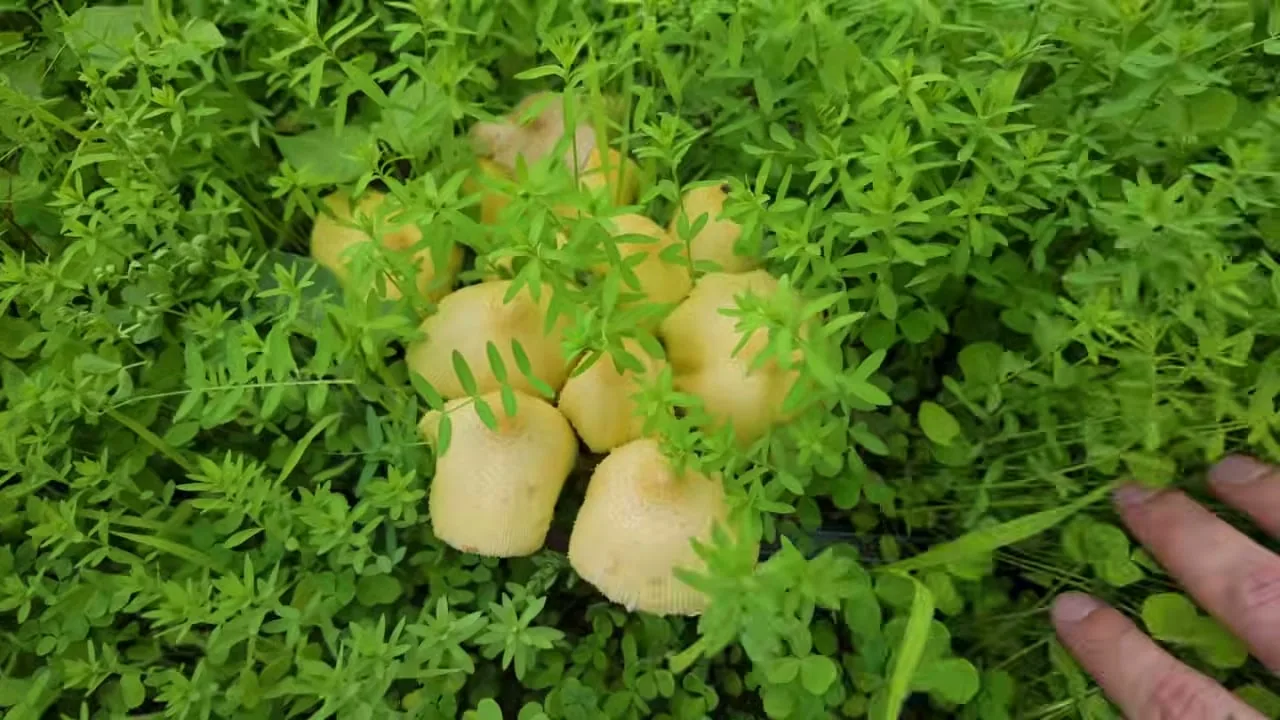
The outdoor lineup and cover crop test will continue in future episodes, but the direction is clear: a fully regenerative outdoor run is being layered onto an already-performing indoor CO2 operation. The Cronk PuurOrganics choice for the greenhouse separates the two ecosystems deliberately -- keeping the indoor runs on the Classic Line's precise synthetic nutrition while the outdoor living soil gets the organic inputs it needs to keep the biology active.
Building an Organic Outdoor Run? PuurOrganics Is Built for Living Soil.
Cronk PuurOrganics is OMRI Listed, plant-based, and designed to work alongside soil biology -- not suppress it. Five products. Complete nutrition from seedling to harvest. Compatible with living soil, cover crops, and organic certification programs.
Explore PuurOrganicsCO2 Enrichment: What This Run Shows
CO2 enrichment is one of the highest-leverage interventions available to indoor growers -- but it only pays off if everything else is dialed in first. This run is a good case study for why.
Why CO2 Augments, Not Replaces, Good Cultivation
The Kaleidozoap phenos that were stacking hard in Dakota's CO2 room weren't just CO2 beneficiaries -- they were plants in a dialed-in environment with clean nutrition, controlled VPD, and a SCROG structure that maximized light penetration. CO2 at 800-1,500 ppm boosts photosynthesis rates, which means the plant can process more light and turn it into more biomass. But if nutrition, pH, VPD, or lighting are the limiting factors, CO2 enrichment just means you're running an expensive luxury you can't actually use.
The AutoPot tent room -- not CO2 enriched -- had some phenotypes showing nitrogen deficiency. More CO2 there wouldn't have solved the problem. The CO2 room, with its clean nutrition and careful week-by-week taper, produced the results worth talking about.
CO2 Taper Protocol
Dakota's approach to late-flower CO2 is textbook for this stage: gradually pull it from enriched levels (which were running above ambient during peak flower) back toward 800-900 ppm in week 8, and then eventually to ambient. Here's the reasoning:
- Peak enrichment (weeks 4-6): 1,200-1,500 ppm, matching nutrient and light peaks
- Mid taper (weeks 7-8): Drop to 800-1,000 ppm alongside the nutrient taper
- Final weeks: Return to ambient or near-ambient. The plant is finishing, not building.
This mirrors the nutrient taper philosophy: you're not trying to push growth in the final 10 days, you're letting what's already there finish cleanly.
Strain Harvest Timing Summary
Based on what Dakota and Mr. Q assessed at day 55, here's how the harvest schedule played out:
| Strain | Day 55 Status | Harvest Call | Standout Pheno |
|---|---|---|---|
| Bloogatti (Terp Hogz) | Ready now | Studio photos this week, harvest immediately | #5 -- dense purple, oily terps |
| Kaleidozoap (Elev8) | Fast phenos ready, others close | Harvest within the week for fast phenos | #6 (stacker), #4 (dense/frosty), #2 (unique fermented) |
| Mr. Stinky F2 (Tiki Madman) | Slightly behind Bloogatti | Check trichs, 5-7 more days | #4 -- permanent marker expression |
| MAC 10 (Capulator) | Needs more time | 10-14 more days minimum | #10 -- premium cookies, sandpaper grip |
Key Takeaways for Growers
- Not all strains in the same room finish at the same time. At day 55, Bloogatti was ready, Kaleidozoap was close, Mr. Stinky needed a week, and MAC 10 needed two weeks. A staggered harvest strategy -- or accepting that some plants will be slightly early or late -- is the reality of growing multiple genetics.
- Terpene character shows before harvest timing does. You can get a meaningful read on terpene profile, density, and expression well before a plant is ready to harvest. Phenotype hunts mid-late flower are a valid tool for selecting keepers even if you're not yet harvesting.
- Predator mites actually work. Dakota disclosed mid-episode that they'd introduced predatory mites two weeks earlier after discovering mite activity. By day 55, the mites were contained -- no webbing, no visible population explosion. The Bloogatti attracted them most heavily, which tracks with reports that certain sweet/fruity terpene profiles attract spider mites preferentially.
- Substrate matters as much as nutrients. The nitrogen deficiency issues in the AutoPot tents traced back to a substrate problem (unsanitized rice hulls), not to the nutrient program. Solving a nutrient problem by adding more nutrients when the real issue is substrate quality or pH is a common and expensive mistake.
- Bottom-feed systems run cleaner with a slight reduction in concentration. A 30% reduction from recommended drain-to-waste dosing is a reasonable starting point when converting to AutoPot or similar passive systems. Monitor plant response and adjust from there.
The 5-Bottle System Dakota Used for This Entire Run
Cronk Nutrients Classic Line: Micro, Grow, Bloom, CalMag, and Bud Booster. Designed for cannabis in soil, coco, or hydro. Follow the schedule from seedling through flower, adding Bud Booster once bloom begins -- then taper down exactly the way Dakota did for the cleanest finish.
Shop the Classic 5-Bottle SystemWhat's Coming Next on HomeGrowTV
The episode ends with teasers for what's ahead. Dakota promises a deep dive into the terpene breakdown in the next episode, along with final harvest weights from the CO2 room. The AutoPot tent strains (Blood Moon Gelato, Peyote Skittles, and the Mellows) were still a week or two out from their own harvests.
The greenhouse cover crop project is the new thread to watch. A living soil outdoor run with a cover crop base and Cronk PuurOrganics is a different direction from the controlled CO2 indoor environment, and the kind of contrast content that makes for genuinely educational viewing.
If you haven't subscribed to HomeGrowTV, this episode is a good entry point. Dakota films with the kind of detail and honesty -- flagging the mites, the rice hull mistake, the deficiencies alongside the wins -- that makes the content actually useful rather than just a highlight reel.
Frequently Asked Questions
What nutrients did HomeGrowTV use for the CO2 room harvest?
Dakota ran the Cronk Nutrients Classic Line throughout the CO2 room: Micro, Grow, Bloom, and CalMag from seed, with Bud Booster added once flower started. By week 8 (day 55 of flower), he had tapered down to just Micro and Bloom, with the other three bottles fully dropped. The CO2 levels were brought down to 800-900 ppm for the final weeks.
What is Bloogatti and who bred it?
Bloogatti is bred by Terp Hogz. The lineage is Bubblegum Gelato x Blueberry Z. It's known for heavy terpene production, early finishing, and dense purple phenotypes. In Dakota's CO2 run, Bloogatti #5 was the standout -- golf ball nugs, oily/greasy trichome expression, and terpenes that Mr. Q described as immediately hitting you with that American dispensary quality.
How long does MAC 10 take to flower?
In this run, MAC 10 (Capulator's 10th anniversary release) needed at least 10-14 additional days beyond day 55 -- putting it at roughly 65-70 days of flower minimum for optimal ripeness. MAC varieties are consistently reported as longer-finishing strains. Don't harvest early for the sake of the calendar; the quality difference from day 55 to day 70 is significant on MAC.
What is Kaleidozoap and why was it the biggest producer?
Kaleidozoap is an RS11 x Zoap cross from Elev8 Seeds. In Dakota's CO2 SCROG room, it took up most of the second half of the canopy and produced towering stacked colas across nearly every phenotype. The #6 pheno was especially productive while also delivering strong, loud terpenes in a similar oily RS11 profile -- but at higher quantity than the Bloogatti. Trichomes were present all the way down the main stem on some phenos, suggesting strong extraction potential.
How do you adjust Cronk nutrients for AutoPot bottom-feed systems?
Dakota used approximately 30% less than the standard drain-to-waste recommended dose when running Cronk Classic in AutoPot passive systems. Bottom-feeding plants draw only what they need when they need it, which increases effective nutrient efficiency compared to top-feed drain-to-waste. Start with a 20-30% reduction from the standard schedule and monitor plant response. Also ensure your substrate is clean and properly processed -- particularly if using rice hulls, which must be par-boiled and sanitized to prevent nitrogen competition and pH disruption.
What is the difference between Cronk Classic Line and PuurOrganics?
The Cronk Classic Line (Micro, Grow, Bloom) is a synthetic 3-part base system designed for precise NPK control across soil, coco, and hydro. It's what Dakota used in the indoor CO2 room and AutoPot tents. PuurOrganics is Cronk's OMRI-certified organic 5-part system, derived entirely from plant-based sources. It's designed for soil, living soil, and organic certification grows -- which is why Dakota uses it exclusively in the greenhouse. The two systems are not designed to be mixed.
What VPD and humidity did HomeGrowTV run in the CO2 room?
At day 55 of flower, Dakota's CO2 room metrics were: 62% humidity and 1.3 VPD. These numbers are on the higher end of the typical late-flower VPD range (ideal is often cited as 1.2-1.6 in week 8), but the plants were healthy with no visible mold issues -- meaning the airflow and canopy management were sufficient to prevent moisture pockets even at 62% RH.
How did predatory mites perform in the HomeGrowTV CO2 room?
Predatory mites were introduced about two weeks before the day 55 walkthrough after Dakota detected mite activity on some plants (primarily on the Bloogatti phenos). By day 55, the population was contained -- no webbing, no major visual spread. The predatory mites suppressed but didn't eliminate the problem, which is the expected result of biological IPM introduced mid-flower. Early introduction before flowering begins is the ideal timing for maximum effectiveness.
More Grows, More Depth
HomeGrowTV is one of the channels doing this kind of content at a level that actually teaches you something. The combination of real strain data (multiple phenos, honest comparisons), real problem disclosure (the mites, the rice hull issue, the deficiencies), and a consistent nutrient baseline makes it one of the more useful series for growers trying to make decisions about genetics and systems.
Watch the full episode above. Subscribe to HomeGrowTV for the continuing series. And if you're building out a run similar to what Dakota documented here -- CO2 room, SCROG, phenotype hunting premium genetics -- the Cronk Classic 5-bottle system is the clean, consistent baseline that let the genetics do the talking.